

| TL;DR Mobile homes offer lower up‑front costs, rapid factory‑built move‑ins, and the freedom to downsize or relocate, making them an appealing entry point into homeownership. Common misconceptions about durability, community quality, minimal maintenance, and inevitable depreciation can mislead buyers if they overlook HUD’s standards, park variability, and hidden repair needs.Unlike site‑built homes, mobile homes often lose 3–5% of their value annually, especially on leased land, with financing terms and land ownership playing a major role in how equity holds up. A limited buyer pool, strict park approvals, saturated listings, costly relocation logistics, high‑interest chattel loans, and expensive insurance can drag out sales and depress final offers. Options include renting short‑ or long‑term, moving to a better park, listing locally, or choosing a direct, as‑is cash sale through California Mobile Home Buyer for a fast, stress‑free exit. |
|---|
Mobile homes may not be a big moneymaker but they often sparkle as the ultimate ticket to affordable, flexible living: low purchase prices, quick move‑ins, and the freedom to downsize or relocate on a whim. But what happens when the sticker shock of lot fees, surprise repair bills, and sinking resale values turn that dream into a headache? In other words, what happens when you start thinking – “I regret buying a mobile home” instead of “I love my mobile home.” In this blog post, we’ll dive into the most common “I wish I knew” moments, from hidden costs and depreciation pitfalls to the quirks of park rules that can leave you feeling trapped.
Why Did I Think a Mobile Home Was the Perfect Choice?
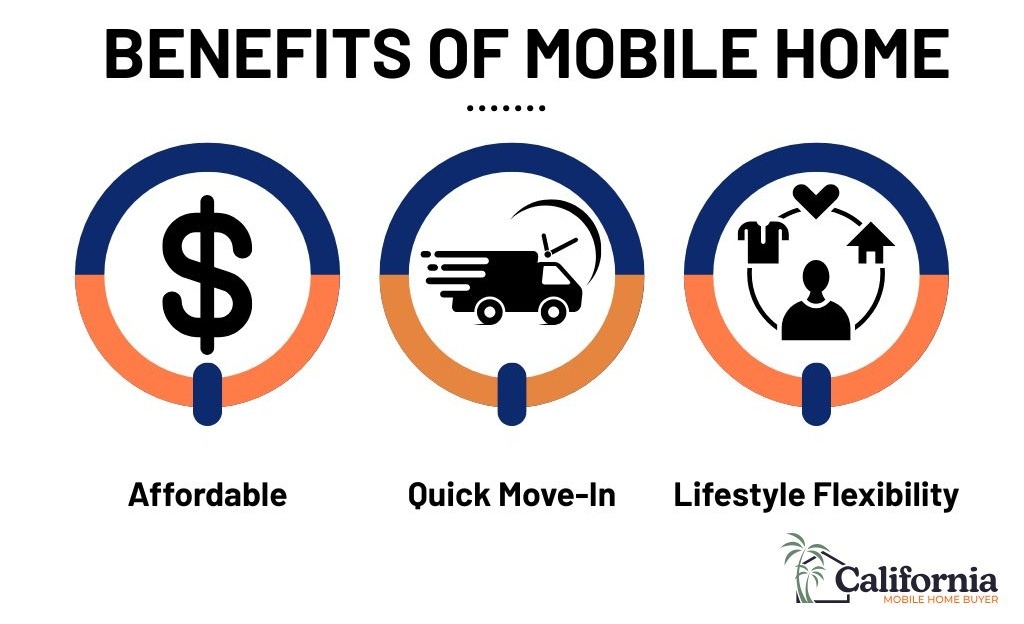 Mobile homes are not an awful investment. In fact, it has long attracted buyers looking for an accessible, fast, and flexible path to homeownership. Here are its key USPs:
1. Affordability and Lower Up‑Front Costs
Mobile homes or modular homes typically carry a purchase price that’s a fraction of a comparable site‑built house. Such affordable prices translate into smaller down payments and more manageable monthly financing, making mobile homes a good living option for those on tighter budgets.
2. Quick Move‑In Timeline
Unlike construction of traditional homes, which can take months or even years, mobile home construction or manufactured home construction takes only few weeks and can be set up in no time. This rapid turnaround appeals to those eager to transition out of rentals or temporary housing without a prolonged wait.
3. Lifestyle Flexibility and Mobility
One of the chief draws of mobile homes is the promise of true flexibility. Owners have the option to downsize for a simpler lifestyle (say remove that large front porch), upgrade to a larger model (get a home with more square feet) when needs change, upgrade the look of the home, or even in certain cases, relocate the home entirely. This mobility factor offers a level of freedom rarely found in conventional real estate.
What are some Common Misconceptions About Mobile Homes?
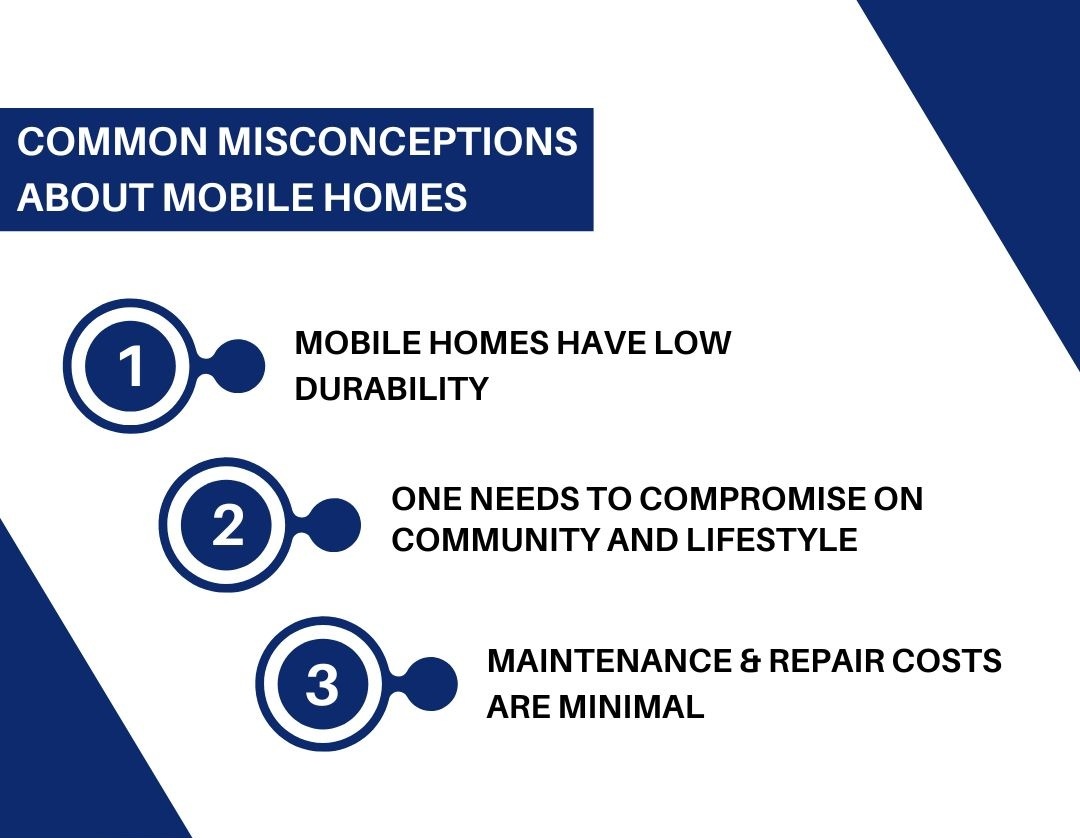
Let’s tackle some of the most stubborn myths that can cloud your judgment about mobile home ownership and start thinking, “Why do I regret buying a mobile home?”:
Myth 1: Mobile Homes Have Low Durability
A widespread belief is that mobile homes are flimsy structures destined to deteriorate quickly and is a terrible deal for an average person. In reality, modern manufactured homes, built in controlled factory environments, must adhere to the U.S. Department of Housing and Urban Development (HUD) Code. This federal government agency sets rigorous construction, energy‑efficiency, and safety standards.
These requirements ensure that today’s mobile homes use durable materials, reinforced framing, and quality-controlled processes to stay intact in the long run. While old mobile homes (pre-1976 HUD Code) may show their age, newer units often rival site‑built homes in structural integrity and lifespan when properly maintained. In other words, they are a great investment.
Myth 2: One Needs to Compromise on Community and Lifestyle
Another myth is that mobile home communities are unsavory or lack neighborly cohesion. In fact, many parks offer tight-knit, supportive environments. Residents organize social events, holiday celebrations, and neighborhood watch programs. Some communities even feature amenities like clubhouses, swimming pools, and green spaces.
While experiences vary from park to park, it’s often highest-quality parks that invest in landscaping, maintenance, and community programming, contradicting the idea that mobile home living equates to social isolation, stigma, or a lower standard of living.
Myth 3: Maintenance & Repair Costs are Minimal
It’s easy to believe that a smaller footprint equals fewer upkeep costs, but mobile homes have their own quirks. Skirting panels tear or rot, trapping moisture under the chassis; plumbing pipes freeze in uninsulated underbellies; and single‑pane windows or cheap siding can drive up heating and cooling bills.
Unexpected repairs, like replacing a damaged axle after a windstorm or fixing a leaking belly wrap, can run into the thousands, catching owners off guard if they’ve budgeted only for cosmetic touch‑ups. That’s when many start thinking mutual funds could have been a better Investment.
What are the Other Challenges of Buying and Living in a Mobile Home?
Here are some additional challenges of living in a mobile home:
- Affordability can be misleading: While the average cost of a mobile home is lower than a new car, depreciation and maintenance fees can make it expensive to live.
- Construction standards vs. local codes: Though protected under the HUD Safety Act for national mobile home construction, mobile homes still must comply with local building codes, which vary and complicate relocation.
- Limited property compatibility: Finding the right real estate is tough due to size regulations. Some communities reject homes that don’t meet standard size or visual conformity rules.
- Weather vulnerability: The National Weather Service ranks mobile homes as highly susceptible to tornadoes and hurricanes, making location a big factor in safety.
- Hidden living expenses: Services like trash pickup, water, and sewage aren’t always included, raising the total amount spent on monthly costs.
- Legal and logistical hurdles: If you are relocating, a simple name change on a mobile home title can involve more red tape than expected, especially across states.
- Perception and resale stigma: Despite various types of homes available, mobile homes are often seen as less desirable, even if the buyer has a master’s degree or solid financial planning. Many even confuse mobile homes with a camping trailer.
So don’t blame the bearer of bad news. Mobile home life isn’t for everyone.
How Does Depreciation Affect Your Mobile Home Investment?
Depreciation is the decline in your home’s value over time, and for mobile homes, it often moves faster and steeper than for stick‑built houses. Understanding these patterns is crucial before buying and selling mobile homes, because unchecked depreciation can leave you owing more than your home is worth or selling less than its worth. Here are the key factors you need to consider when estimating the worth of your mobile home investment:
1. Depreciation Curve: How does it Span Out?
Most mobile homes begin losing value the moment they’re sited, with an average annual depreciation rate of 3–5% (sometimes higher in the first few years). Unlike standard homes or traditional housing built on permanent foundations, which historically appreciate around 1–3% per year, mobile homes generally follow a downward trajectory unless significant upgrades or housing market shifts occur.
2. Land Ownership: How does it Impact Depreciation?
If the mobile home is on a personal property, you’ll see slower overall value loss, since the value of the land often holds or gains even as the structure depreciates. Mobile home plot location also matters. In contrast, homes on leased lots typically depreciate almost exclusively on the structure, because buyers must negotiate a separate land‐lease agreement. That split can accelerate your net loss when you sell.
3. Financing Terms: How does it Exacerbate Depreciation?
Because lenders view mobile homes as higher‑risk collateral, interest rates are often steeper and loan terms shorter for new mobile home owners. A 10 or 15‑year loan means larger monthly payments and less time to build equity. So, you’re essentially paying down principal more slowly while the home itself is shedding value. If you must refinance, you may face negative equity (owing more than the mobile home market price).
Why Is Selling a Mobile Home More Challenging Than I Expected?
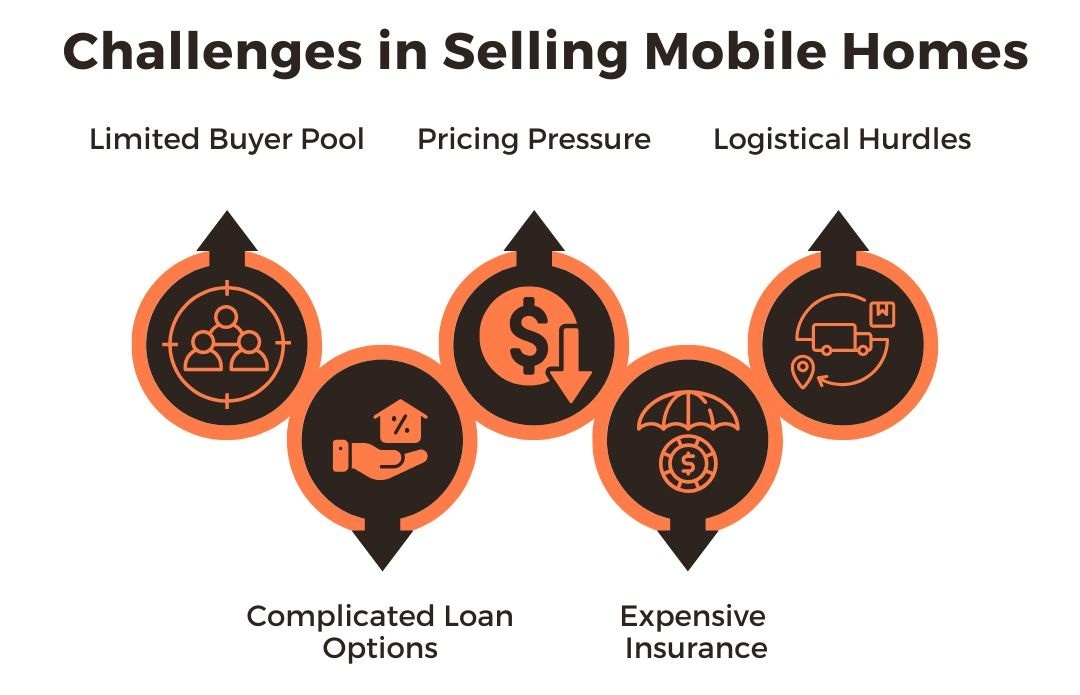 Selling a mobile home often comes with unexpected hurdles that can turn a seemingly simple sale into a drawn‑out challenge. Here are some challenges one encounters while reselling mobile homes:
1. Limited Buyer Pool & Park Approval Requirements
Unlike traditional real estate, the pool of prospective mobile home buyers is comparatively small, and even interested parties must often earn the park’s approval. Parks may impose age restrictions, credit checks, income minimums, or pet policies, all of which can disqualify otherwise willing buyers. When vacancy rates are low or approval criteria are strict, a resale can languish for months.
2. Pricing Pressure in a Saturated Market
Because homes on leased lots don’t include land value, sellers compete solely on the structure. When multiple units of similar age and layout are listed in the same park, buyers leverage abundant choices to push prices down. It’s common to see well‑maintained homes selling for 20–30% below original purchase price simply because supply outpaces demand.
3. Moving and Logistical Hurdles
If your buyer doesn’t already own the lot, relocating the home adds steep costs and complexity. Permits, specialized movers, utility disconnections/reconnections, and potential transit damage can tally thousands of dollars. These are expenses that buyers either negotiate off the sale price or refuse to shoulder, further limiting offers.
4. Complicated Loan Options and High Interest
Most mobile home buyers rely on chattel loans rather than traditional mortgages. These loans typically carry higher interest rates, shorter repayment terms (often 10–15 years), and larger down‑payment requirements. Buyers refinancing to take over your loan may face steep rates they can’t afford, shrinking the pool of qualified purchasers and driving cash‑strapped buyers toward newer or better‑financed listings.
5. Expensive Insurance and Limited Coverage
Insuring a mobile home often costs significantly more per square foot than a site‑built house. Policies can exclude wind, hail, or flood in certain zones, and coverage limits may not replace the full structure after a major loss. Potential buyers factoring in higher premiums and gaps in protection frequently reduce their offer or walk away altogether, seeing the insurance burden as an ongoing liability rather than a one‑time purchase cost.
What Can I Do If I’m Stuck with Regret?
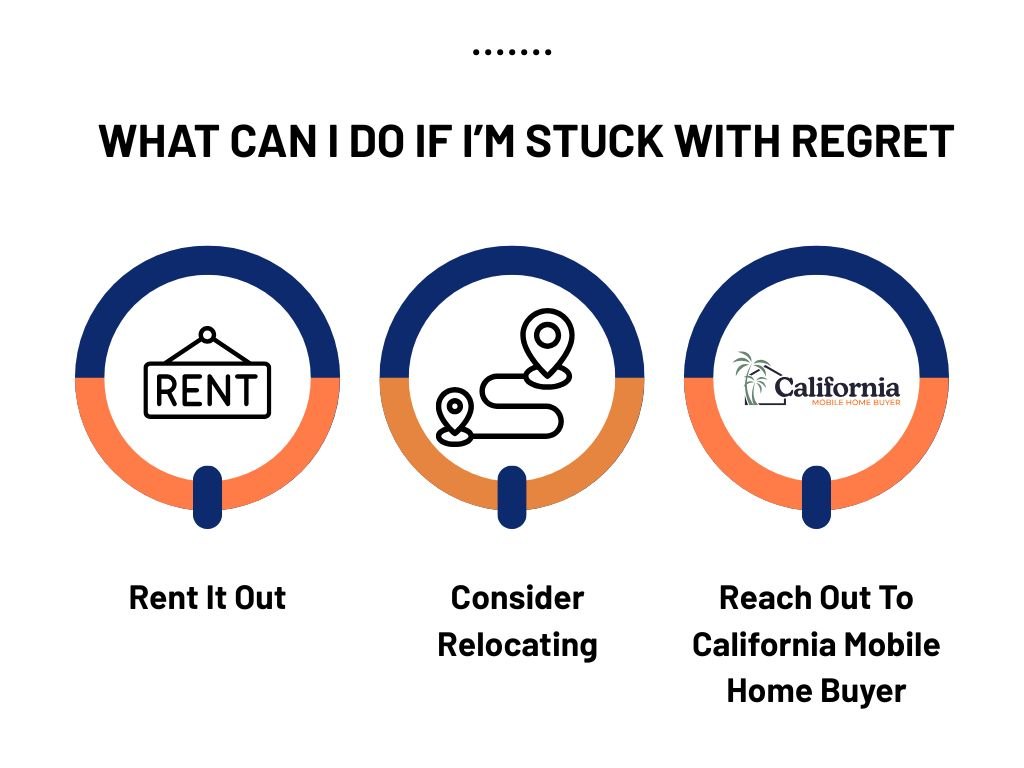 When the weight of unexpected costs, slow resale, or park hassles sets in, it’s easy to feel trapped, but there are concrete steps and practical tips you can follow to regain control and peace of mind:
1. Consider Renting It Out
If outright sale isn’t feasible or you’d rather avoid a quick discount, renting your mobile home can transform a liability into an income generator. Short‑term platforms like Airbnb or VRBO may work if your park regulations permit vacation rentals, offering flexibility and potentially higher nightly rates. Alternatively, a long‑term lease to a single tenant can cover your lot rent, insurance, and basic maintenance, buying you time to strategize or save for moving costs.
2. Investigate Relocation Options
Sometimes the solution isn’t selling the home itself but changing its surroundings. Research nearby parks with lower lot rents, friendlier rules, or better amenities. Relocating your home can improve cash flow and quality of life. If you own the land, consider subdividing or repurposing a portion for rental cottages or tiny homes. When park constraints are the main source of regret, shifting to a different community (or even purchasing a small parcel of land) can mitigate depreciation and unlock traditional mortgage financing, making future resale more attractive.
3. Reach Out to California Mobile Home Buyer
For a truly hassle‑free exit, selling directly to California Mobile Home Buyer eliminates the headaches of showings, repairs, and financing hurdles. We purchase mobile homes in any condition and handle title transfers, park approvals, and logistics on your behalf, delivering a fair cash offer within days. Whether you’re looking to move on quickly or simply want to close this chapter without stress, our streamlined process ensures you walk away free of ongoing fees and maintenance concerns. Get Your Cash Offer Today!.
Conclusion
Owning a mobile home can deliver on its promise of affordability, speed, and flexibility, but only if you go in with your eyes wide open. Hidden fees, depreciation curves, financing headaches, and resale hurdles can quickly sour what seemed like a dream deal. So, what is the magical word? Homework. Yes, do your homework up front: understand lot‑rent obligations in your local state, build in a maintenance buffer, and factor in how depreciation and park rules will affect your exit strategy. Regret doesn’t have to be permanent. Armed with the right information and access to expert agents, like California Mobile Home Buyer, you can turn a rough experience into a fresh start.
Frequently Asked Questions
Is buying a mobile home a good idea in the US?
Buying a mobile home in the U.S. can be a good investment strategy if you want to save money, want instant access to a shelter, and have more freedom. But you have to think about a few things. These can be problems like the value of the home going down in the real estate market, unless it is on a real property owned by you. You also need to have a huge emergency fund in case your home gets damaged in a natural disaster.
What are the hidden costs associated with owning a mobile home?
Hidden costs of owning a mobile home can include property taxes, insurance, maintenance expenses, and utility bills. Additionally, you may face fees for lot rentals in parks or community amenities. These are usually not associated with traditional homes.
How long does a typical mobile home last?
A mobile home can last anywhere from 30 to 55 years. How long it will last depends on the kind of construction, how well it is taken care of, and the place it is set up in. For instance, if the homesite is in the path of tornadoes, it might not last that long and might need regular upkeep/reconstruction.
What are the risks of living in a mobile home park?
Living in a mobile home park or trailer parks can be a great idea for some, it comes with certain risks and cons. People who have a mobile home in these parks may be more open to natural disasters. There can also be zoning problems that might come up. The privacy you get in a mobile home park can be limited, too. If the owner of the park has money trouble, this can change how people live there and can make mobile home values drop.