

If you’ve been searching for affordable housing options or considering buying a factory-built home, you’ve likely come across the terms mobile home and manufactured home used interchangeably. But here’s the catch: while they might sound similar, they’re not the same thing.
This confusion can be frustrating, especially when you’re trying to make an informed decision about one of life’s biggest investments. Are you worried about financing, safety standards, or resale value? Understanding the difference between a mobile and a manufactured home could save you time, money, and stress.
In this blog, we’ll break down the key distinctions, legal, structural, and practical, so that you can move forward with clarity and confidence. Let’s dig in!
What is a Mobile Home?
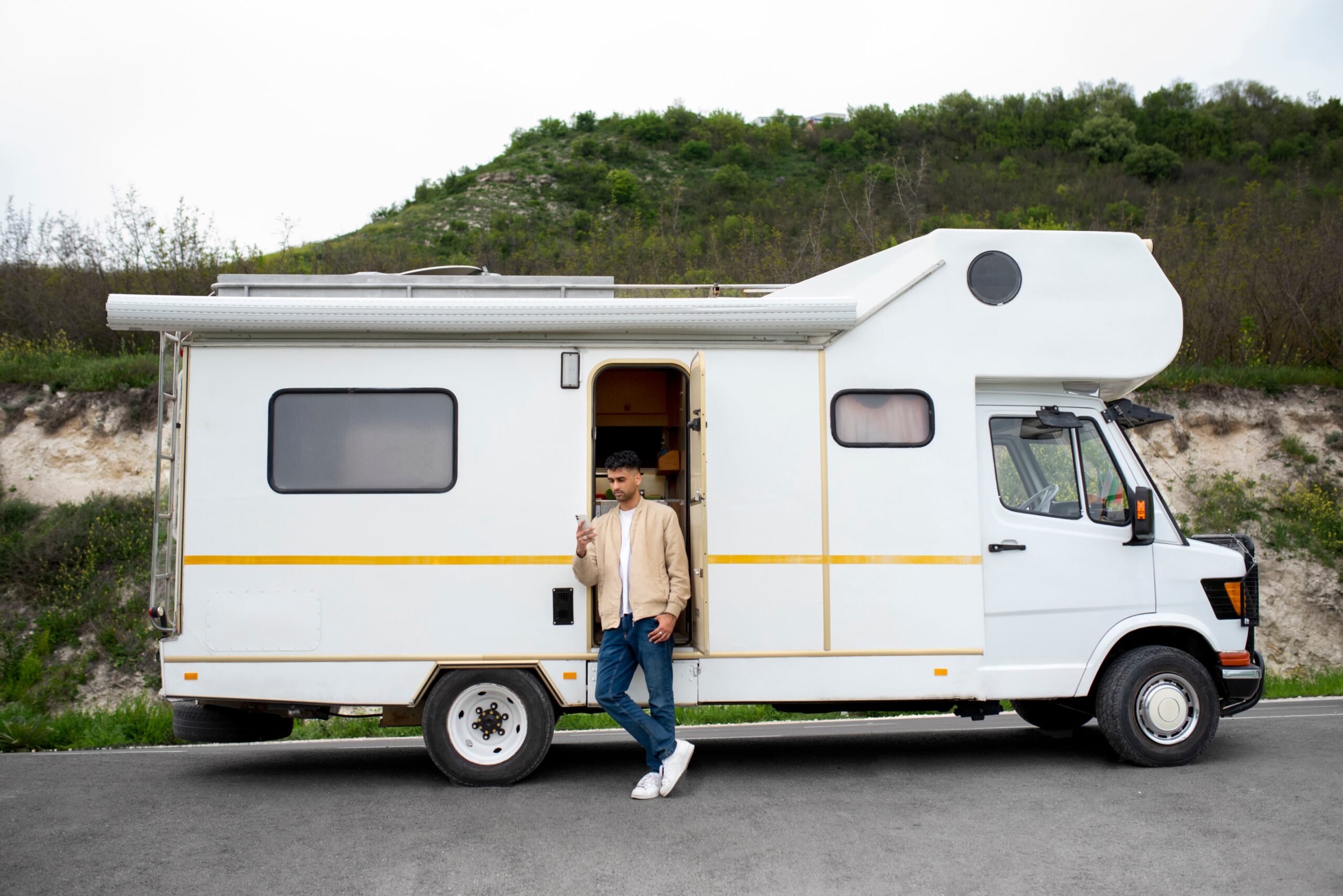
A mobile home is a type of prefabricated housing built in a factory before June 15, 1976, when federal regulations for manufactured housing were introduced. These homes were designed to be transportable and offered a more affordable alternative to traditional site-built houses.
Key characteristics of mobile homes:
- Built prior to HUD code implementation in 1976.
- Often constructed with less stringent safety and quality standards.
- Designed to be moved from one location to another.
- Typically smaller and less energy-efficient than modern options.
- Still exist today, often in mobile home parks or private lots.
What is a Manufactured Home?

A manufactured home is a factory-built home constructed on or after June 15, 1976, in compliance with the HUD (Department of Housing and Urban Development) Code. Unlike older mobile homes, manufactured homes are built to strict federal standards for safety, durability, and energy efficiency.
Key features of manufactured homes:
- Built under HUD’s national building code.
- Constructed in a controlled factory environment.
- Available in single-wide, double-wide, or triple-wide layouts.
- Designed to be transportable, but typically installed on a permanent foundation.
- Offers modern amenities, insulation, and updated safety features.
Mobile Home vs Manufactured Home: How are They Different?
Though they may look alike at first glance, mobile and manufactured homes are quite different beneath the surface. Here’s a side-by-side comparison to help you understand how these two types of factory-built homes differ in terms of history, standards, safety, and classification.
| Feature | Mobile Homes | Manufactured Homes |
|---|---|---|
| Period | Built before 1976 | Built after 1976 |
| Origin | Evolved from 1900s trailers and campers | Developed in response to HUD housing standards |
| Demand Growth | Increased after World War II | Popularity grew with stricter building regulations |
| Building Standards | Varied significantly, no federal standard | Must follow HUD code from 1976 onward |
| Regulation Introduction | No uniform rules | Governed by HUD’s Manufactured Home Construction and Safety Standards |
| Safety and Durability | Often less safe, inconsistent quality | Built to stricter standards; plumbing, wiring, insulation, energy |
| Classification Today | Any factory-built home pre-June 15, 1976 | Any HUD-compliant factory-built home post-June 15, 1976 |
How They’re Built: Key Construction and Design Details
At first glance, mobile and manufactured homes may look alike, but how they’re built tells a very different story. From materials and layout to energy efficiency and modern features, the construction standards have evolved dramatically. Here’s how they compare across the areas that matter most.
1. Build Quality and Materials
Build quality is where the gap between mobile and manufactured homes becomes most noticeable. Here’s how they compare:
| Aspect | Mobile Homes (Pre-1976) | Manufactured Homes (Post-1976) |
|---|---|---|
| Regulation | No federal building standards | Built under HUD Code |
| Material Quality | Lightweight, often lower-grade materials | Higher-quality, durable materials |
| Insulation | Minimal insulation | Improved insulation for energy efficiency |
| Plumbing & Wiring | Outdated and inconsistent | Modern systems, meeting strict safety codes |
| Durability | More prone to wear and structural issues | Built for long-term durability and safety |
2. Customization and Modern Amenities
When it comes to comfort and personal touches, manufactured homes have come a long way, offering far more customization and modern features than older mobile homes ever could.
| Aspect | Mobile Homes (Pre-1976) | Manufactured Homes (Post-1976) |
|---|---|---|
| Floor Plans | Limited, basic layouts | Wide variety of customizable floor plans |
| Interior Features | Basic kitchens, older appliances | Modern kitchens, updated bathrooms, and walk-in closets |
| Technology Integration | Rare or nonexistent | Smart home options, energy-efficient systems |
| Design Flexibility | Minimal customization available | High flexibility in finishes, materials, and layouts |
| Curb Appeal | Dated exterior styles | Contemporary siding, roofing, and exterior design options |
3. Design and Floor Plans
The evolution from mobile to manufactured homes brought significant upgrades in layout and design. Manufactured homes offer more flexibility, space, and visual appeal compared to their older counterparts.
| Aspect | Mobile Homes (Pre-1976) | Manufactured Homes (Post-1976) |
|---|---|---|
| Layout Options | Mostly single-wide with narrow, compact design | Available in single-, double-, and triple-wide layouts |
| Room Configuration | Simple, often cramped rooms | Open-concept living, spacious kitchens, and bedrooms |
| Aesthetic Appeal | Functional but outdated | Modern, stylish interiors and exteriors |
| Customization | Minimal to none | High – choose layout, finishes, and even built-ins |
| Space Efficiency | Limited space planning | Designed for comfort, flow, and storage |
4. Energy Efficiency
Energy efficiency is a major area where manufactured homes outshine older mobile homes. Thanks to updated regulations, modern builds are designed to save both energy and money.
| Aspect | Mobile Homes (Pre-1976) | Manufactured Homes (Post-1976) |
|---|---|---|
| Insulation Standards | Thin or inconsistent insulation | High-quality insulation meeting HUD energy codes |
| Windows & Doors | Basic, single-pane windows | Energy-efficient, double-pane windows and sealed doors |
| Heating & Cooling | Less efficient HVAC systems | Modern, energy-saving HVAC and duct systems |
| Utility Bills | Often higher due to energy loss | Lower bills thanks to better energy retention |
| Environmental Impact | Greater energy waste | Reduced carbon footprint with efficient materials |
Mobile home or manufactured home, confused by the difference? California Mobile Home Buyer makes it easy with a fast, no-obligation cash offer in just 24 hours.
Also Read: Get Quick Cash: Best Mobile Home Buyers Highland California
Which Home Type Offers the Best Value for Your Money?
Choosing the right home isn’t just about price; it’s about long-term value, financing options, and resale potential. Here’s a quick comparison to help you see which home type offers the best return for your budget.
1. Price Comparisons
The cost of mobile and manufactured homes varies depending on the construction and local codes. Manufactured homes strike a balance between affordability and modern design, influenced by financing options such as personal loans and government programs.
Here’s a quick breakdown of average costs and financing availability by home type:
| Type of Home | Average Cost | Financing Options |
|---|---|---|
| Mobile Homes (pre-1976) | $10,000 – $40,000 | Limited |
| Manufactured Homes | $50,000 – $150,000 | FHA, VA, and Conventional Loans |
Want to sell your mobile home without all the hassle? Let us take the stress off your plate. Discover how easy our process is, check it out here!
2. Affordability
For budget-conscious buyers, both mobile and manufactured homes offer cost-effective housing, but there’s a clear difference in what you get for the price.
- Mobile homes (pre-1976) cost less upfront, but often come with outdated features, limited financing, and higher upkeep.
- Manufactured homes start slightly higher, but offer modern design, energy efficiency, and access to FHA, VA, and conventional loans. Plus, placing them in rural or leased-land communities can keep overall costs low.
3. Resale Value
When it’s time to sell, not all homes hold their value the same way.
- Older mobile homes often depreciate quickly due to outdated construction and limited financing appeal.
- Manufactured homes, built to HUD standards, tend to retain value better thanks to modern features, stronger materials like steel frames, and wider buyer interest.
What is a Modular Home vs Mobile Home?
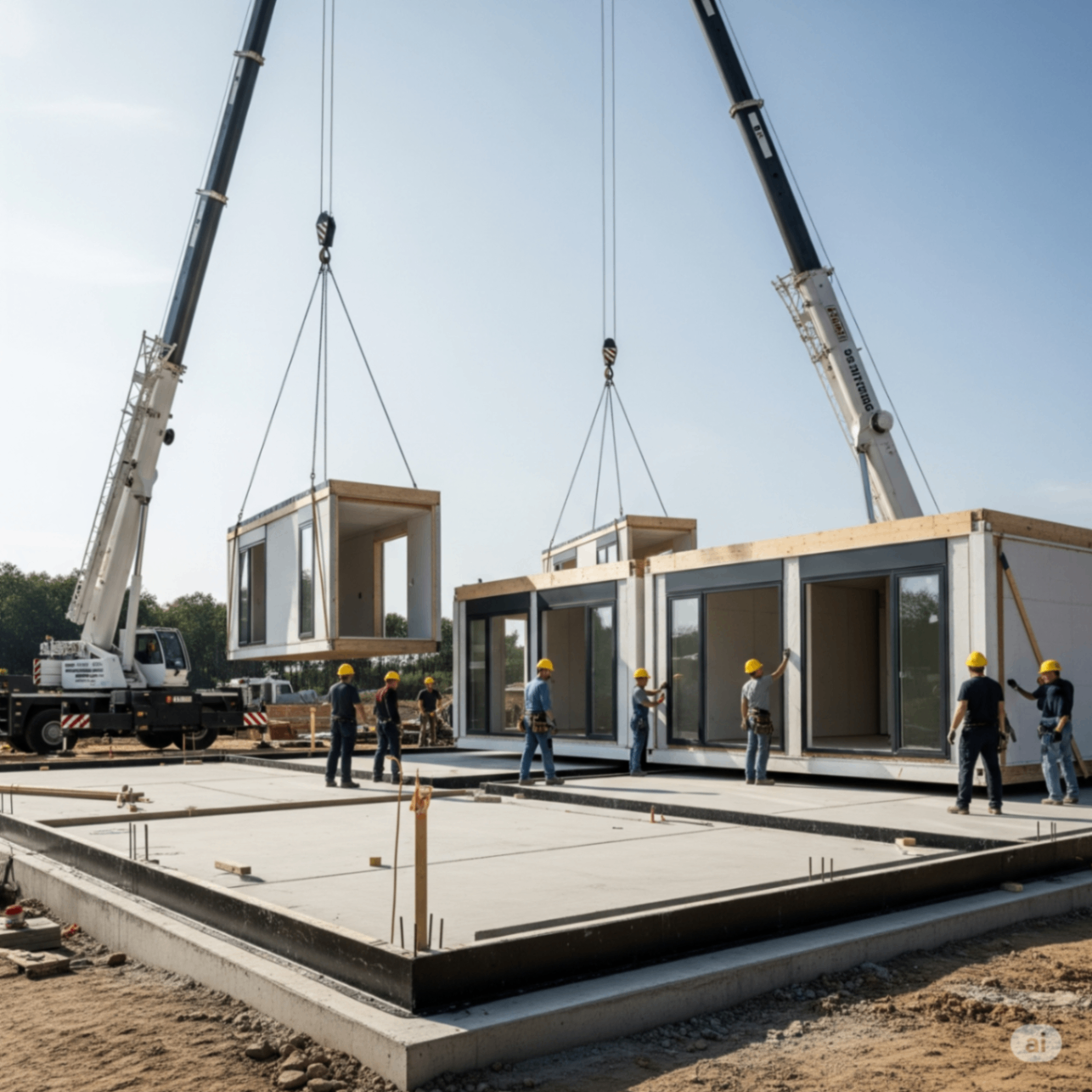
By now, you’re familiar with what is difference between manufactured home and mobile home. But where do modular homes fit in?
Modular homes are also factory-built, but unlike mobile or manufactured homes, they’re constructed in sections and assembled on-site, much like traditional homes. They must meet local or state building codes rather than the federal HUD standards used for manufactured homes.
Here’s a quick comparison for clarity:
| Feature | Modular Home | Mobile Home (Pre-1976) |
|---|---|---|
| Construction | Built in sections, assembled on-site | Fully built in factory, movable unit |
| Building Codes | Local/state codes | No federal standards |
| Foundation | Installed on a permanent foundation | Often on wheels or blocks |
| Financing Options | Standard mortgages available | Limited financing options |
| Appearance & Customization | Highly customizable, like site-built homes | Limited design and space |
In short, modular homes offer more flexibility, financing options, and long-term value, making them a solid choice for those seeking a blend of factory efficiency and traditional design.
Looking to Sell? We’re Ready to Buy
At California Mobile Home Buyer, we believe in providing innovative, affordable housing solutions. Whether you’re buying or selling, we’re here to help you make the right move.
Homeowners, whether they owned a mobile home or a manufactured home, sold quickly and stress-free: no hidden fees, no last-minute surprises. At California Mobile Home Buyer, we make the selling process simple, whether your home was built before or after 1976.
Ready to get started? Contact us today with your details!
Visit or Reach Out to Us:
📍 Address: 2271 W Malvern Ave #1014, Fullerton, CA 92833
📞 Phone: (562) 412-5474
🕘 Hours: Monday to Saturday | 9:00 AM – 5:00 PM
Conclusion
Choosing between a mobile home and a manufactured home ultimately comes down to your lifestyle, budget, and long-term goals. While both offer affordable housing solutions, manufactured homes provide better build quality, energy efficiency, and financing options thanks to updated HUD regulations. On the other hand, older mobile homes may be more budget-friendly upfront but come with limitations in safety, customization, and resale value.
Understanding the key differences helps you make a confident, informed decision. Whether you’re buying or selling, having the right guidance can make all the difference.
Frequently Asked Questions
Can you obtain a mortgage for a manufactured or mobile home in the United States?
Yes, you can get a mortgage for a manufactured home from many lenders. You may use loan programs like FHA, VA, and others. If the house is old, there may be less financing available. Newer manufactured homes, which are typically set on a permanent foundation, often have more loan options.
What are the pros and cons of living in a mobile home versus a manufactured home?
Living in a mobile home offers affordability and mobility, ideal for those seeking flexibility. However, they can have limited space and durability. Manufactured homes provide better construction standards and customization options, but may be pricier. Consider your lifestyle needs and budget when choosing between the two.
Are there restrictions on where you can place a mobile or manufactured home?
Yes, where you can place a home depends on local building codes and urban development rules. Some places will ask you to have a fixed base. Other areas may let you use a temporary setup. Towns and cities establish zoning rules for home sites to ensure they meet safety standards.
What similarities exist between mobile and manufactured homes?
Mobile and manufactured homes are both factory-built, designed for transport, and typically placed on leased or private land. They offer affordable housing options and share similar sizes, layouts, and exterior appearances despite regulatory differences.