

TL;DR
- A park model is a compact, RV-class unit under 400 sq ft, best for seasonal or recreational use.
- A mobile home is built to HUD standards, larger in size, and designed for full-time living.
- Park models max out at about 12 ft wide, while mobile homes range from 18 to 32 ft, giving them far more interior space.
- Park models cost less upfront but may have ongoing park or lot fees, while mobile homes are a bigger investment but more stable long term.
- The right choice depends on whether you need flexibility and affordability (park model) or permanent housing and space (mobile home).
Choosing between a park model vs mobile home can feel overwhelming if you’re new to manufactured housing. At first glance, the two may look similar. Still, the difference between park model and mobile home goes beyond appearance, it lies in classification, dimensions, cost, and how each is regulated.
For instance, many buyers ask, What is a park model mobile home? or Are park models considered mobile homes? The answer isn’t always straightforward. Park models are typically smaller, designed for seasonal or recreational use, while mobile homes are built for full-time living with different HUD standards.
Understanding these nuances is crucial before investing. From the dimensions between park model and mobile home to the long-term cost of park model mobile homes, knowing what sets them apart will help you make the right choice for your lifestyle. And if you’re considering whether you can convert park model to mobile homes, zoning laws and building codes play a big role.
In this guide, we’ll break it all down so you can decide which option is right for you.
What Is a Park Model vs a Mobile Home?
The main difference between these two housing options lies in how they are classified and used. One is typically built for seasonal or part-time living, while the other is designed as a permanent residence. Both are movable structures, but their construction standards, legal definitions, and everyday purposes vary greatly.
What Exactly Is a Park Model?
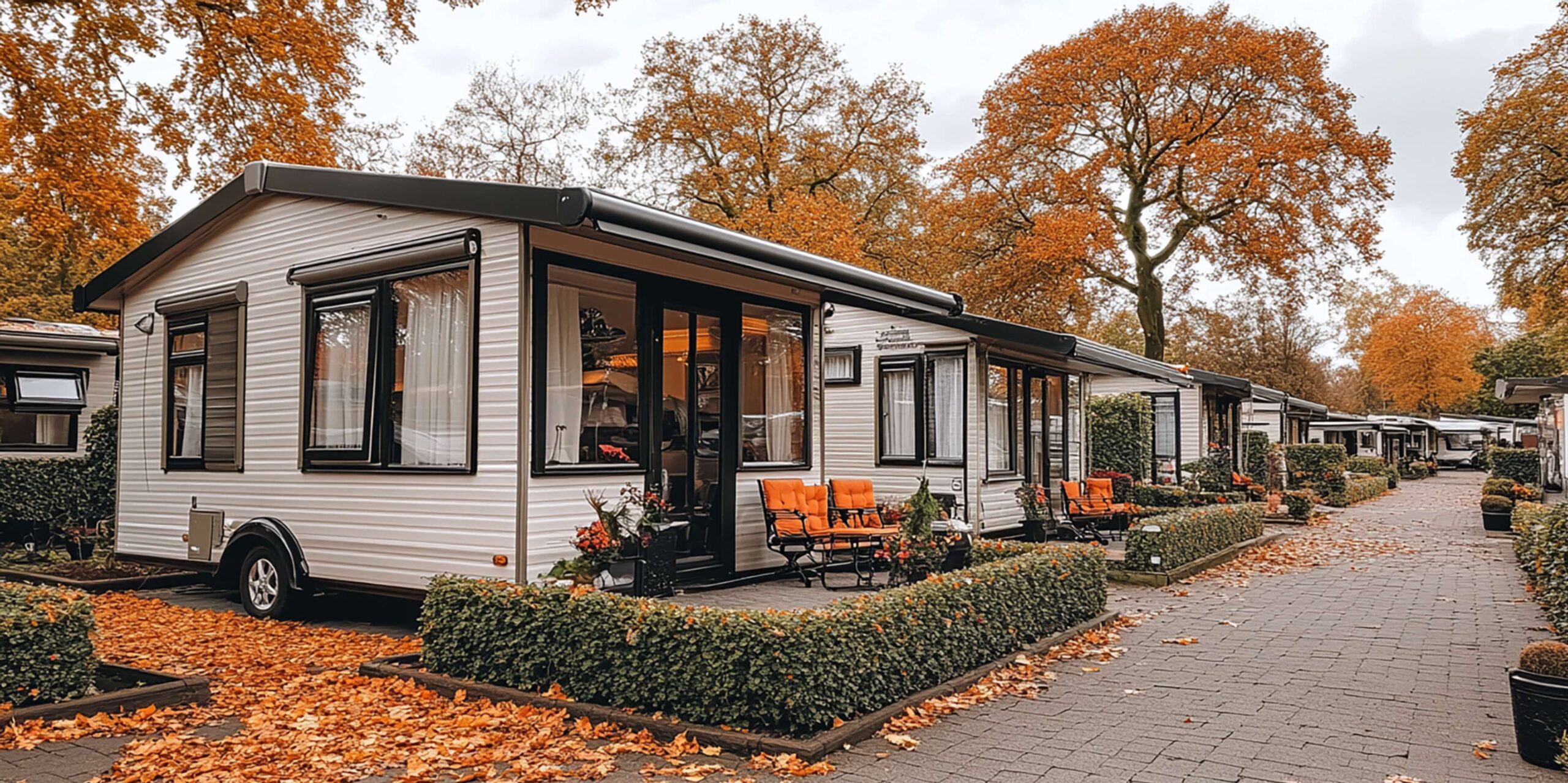
A park model is a compact, RV-class unit, generally under 400 square feet. It’s built for short-term or recreational living, often placed in campgrounds, resorts, or retirement parks. Think of it as a hybrid between a tiny home and a recreational vehicle, small, efficient, and designed for flexibility.
How Is It Different from a Mobile Home?
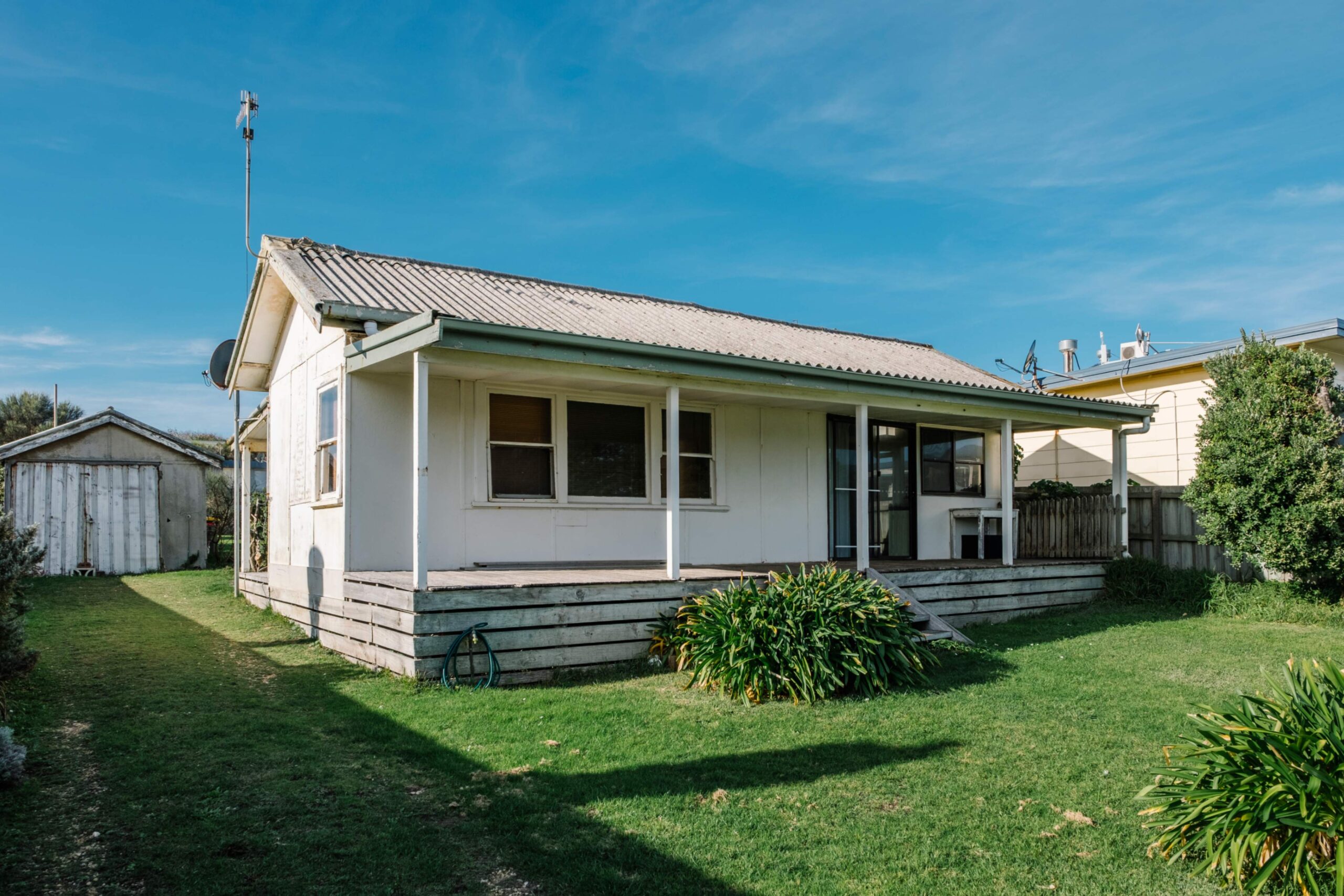
Mobile homes, by contrast, are manufactured under HUD standards and intended for full-time living. They are larger, more durable, and come in single-wide or double-wide sizes. Unlike park models, they are classified as permanent housing, which impacts financing, zoning, and resale value of your mobile home.
If you’re curious about how mobile homes differ from trailer parks, check out this guide on Mobile Home vs. Trailer Park.
Park Model vs Mobile Home: Key Differences
While both offer flexible living options, they serve very different purposes. Park models are compact and geared toward recreational or seasonal use, whereas mobile homes are designed as full-time residences with greater space and permanence.
The table below showcases these differences, which can help you decide which fits your lifestyle, budget, and long-term plans.
| Feature | Park Model | Mobile Home |
|---|---|---|
| Classification | Considered a recreational vehicle (RV) | Considered manufactured housing under the HUD code |
| Intended Use | Seasonal or part-time living | Full-time residential living |
| Size/Dimensions | Up to 400 sq ft; ~12 ft wide, 35–40 ft long | Single-wide (14–18 ft wide) or double-wide (28–32 ft wide); often 1,000+ sq ft |
| Construction Standards | Built to RVIA standards | Built to federal HUD standards |
| Placement | Often located in RV parks, campgrounds, or resorts | Can be placed on private land, leased lots, or communities |
| Cost | Lower upfront cost but potential ongoing fees (lot rent, RV park charges) | Higher initial cost but more stable long-term investment |
| Conversion | Difficult to reclassify as permanent housing | Already designed for permanent residency |
How Regulations Shape Park Models vs Mobile Homes?
The biggest difference between these housing options isn’t just size or style, it’s how they’re regulated. Park models are treated as recreational units, while mobile homes are governed as permanent residences. These codes directly impact livability, financing, and placement.
Here’s where rules and zoning laws come into play, shaping everything from where each type can be placed to how they’re built and used
Park Models and ANSI A119.5 Standards
Park models are built under the ANSI A119.5 code, which is the same standard used for recreational vehicles.
Key points include:
- Legally classified as RVs, not permanent housing
- Size capped at 400 square feet
- Typical width around 12 feet, length up to 40 feet
- Designed for seasonal or recreational use
- Emphasis on portability and efficiency
Mobile Homes and HUD Code Requirements
Mobile homes fall under the HUD Manufactured Home Construction and Safety Standards, a federal code often referred to as the HUD Code.
This ensures:
- Recognition as permanent housing
- Compliance with safety, durability, and energy-efficiency standards
- Larger layouts: single-wide (14–18 ft wide), double-wide (28–32 ft wide)
- More stability for year-round living
- Eligibility for financing and placement in residential communities
Also, check out our latest blog that answers the question: Do you have to pay property taxes on mobile homes in California?
What are the Dimensions Between Park Model and Mobile Home?
The dimensions between park model and mobile home also highlight the difference in regulations. Park models are capped at compact RV-friendly sizes, while mobile homes can be much larger.
A single-wide mobile home typically ranges from 14–18 feet in width, while double-wides can span 28–32 feet wide, with floor space often exceeding 1,000 square feet.
Why the Regulatory Differences Matter?
These codes shape everything from financing and zoning to long-term livability. ANSI standards keep park models in the recreational category, making them ideal for part-time use, while HUD standards make mobile homes suitable as permanent residences. Understanding these frameworks helps buyers choose the right option based on lifestyle and housing needs.
What Are the Pros and Cons of Buying a Park Model Home?
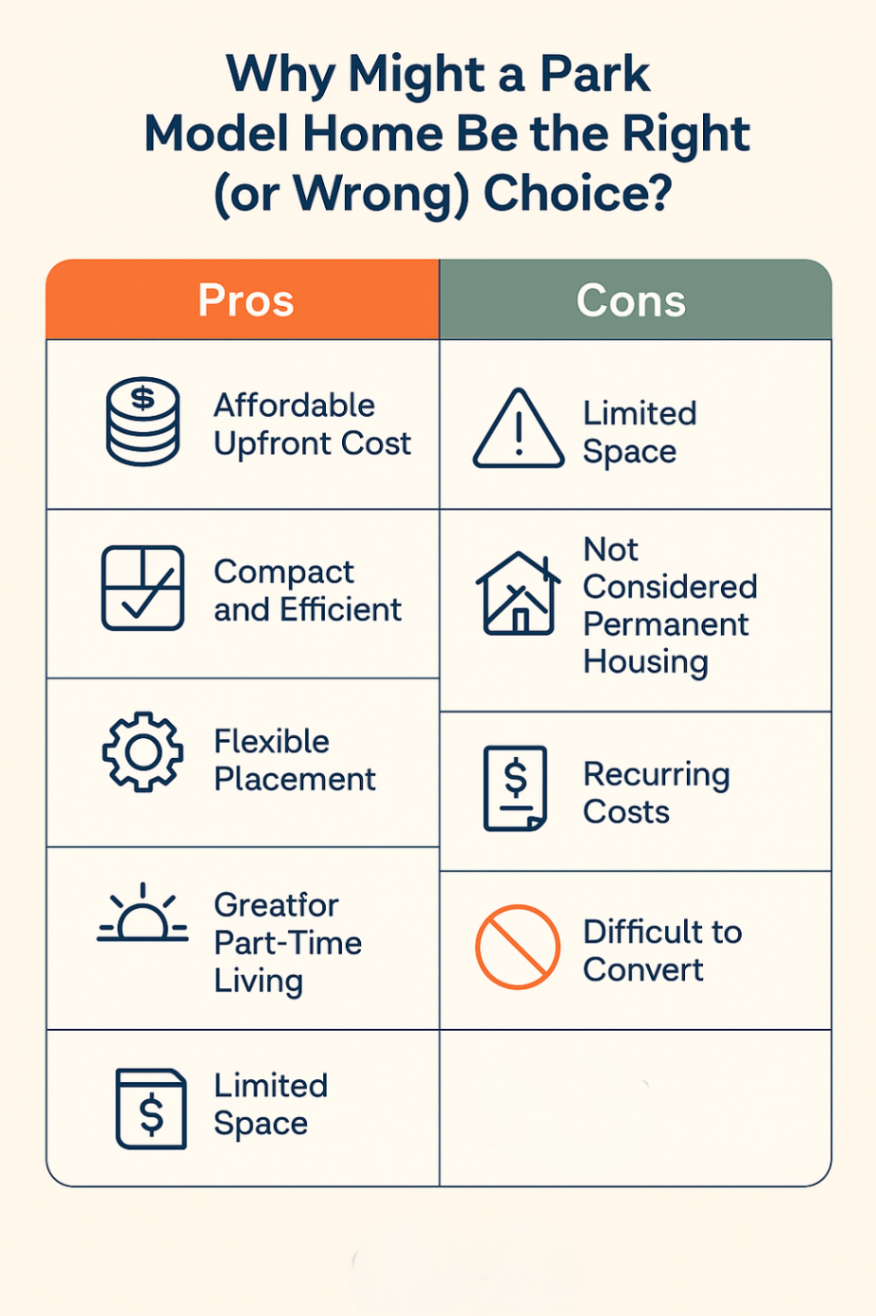
When comparing a park model vs mobile home, park models appeal to many buyers who want a compact, flexible option. Built under ANSI standards, they are legally classified as recreational vehicles rather than permanent housing.
Like any housing option, park model homes come with their own set of benefits and drawbacks that are worth weighing carefully.
Why a Park Model Home Could Be a Smart Buy?
- Affordable upfront cost – Smaller size means lower purchase price compared to mobile homes.
- Compact and efficient – Limited to about 400 sq ft, with typical widths around 12 feet and lengths up to 40 feet.
- Flexible placement – Can be located in RV parks, resorts, or seasonal communities.
- Easy maintenance – Less square footage reduces upkeep.
- Great for part-time living – Ideal for vacation homes, downsizing, or retirement getaways.
The Drawbacks You Shouldn’t Ignore
- Limited space – The strict size cap affects long-term comfort.
- Not considered permanent housing – This impacts financing, zoning, and insurance.
- Recurring costs – Lot rent, park fees, and utility hookups can add up.
- Difficult to convert – Even with modifications, reclassifying as a mobile home is rarely possible.
Thinking about upgrading instead of buying new? Here’s a helpful guide on whether it’s worth remodeling a mobile home.
What Are the Pros and Cons of Buying a Mobile Home?
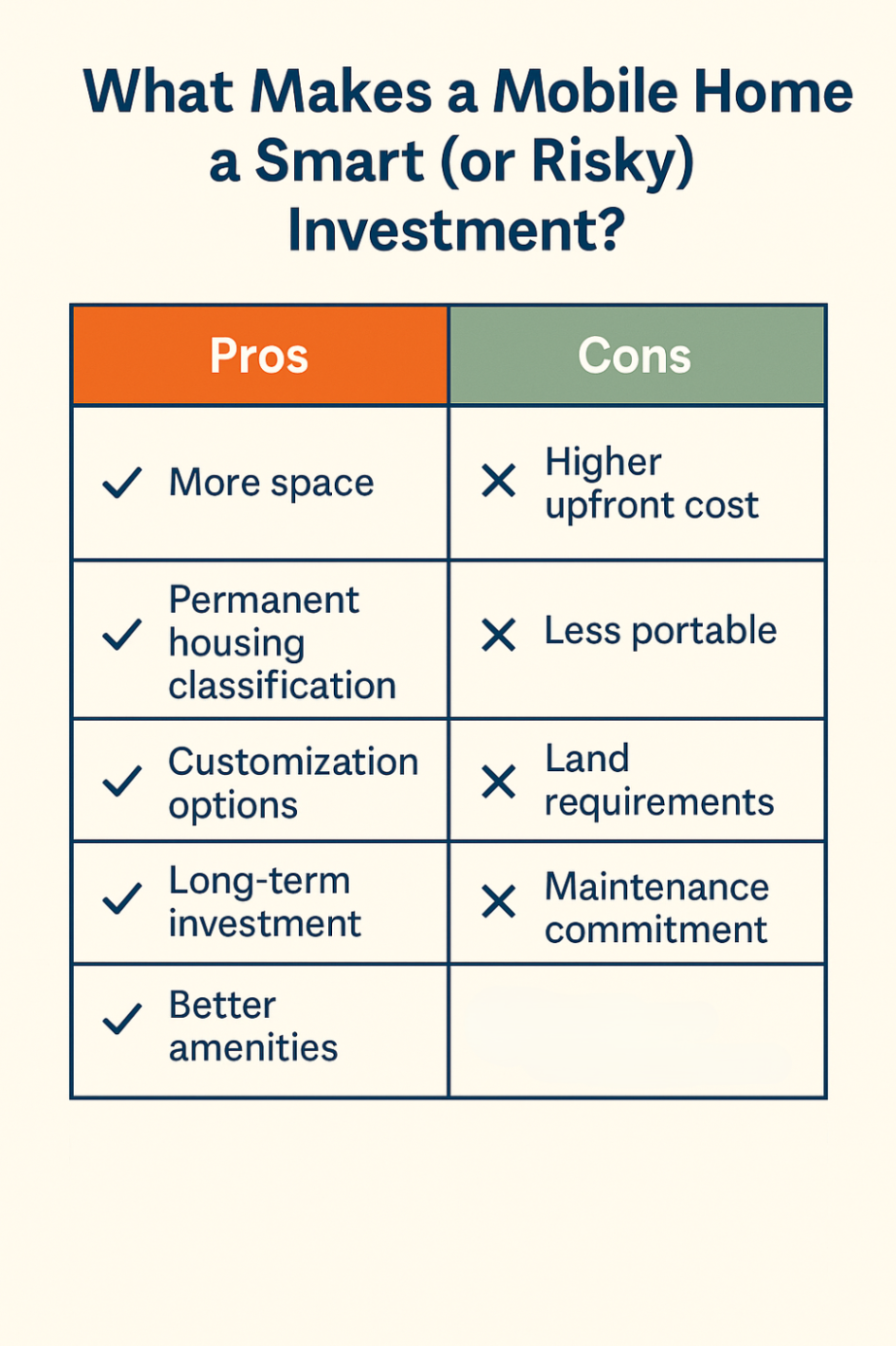
Mobile homes can be an affordable path to homeownership, but like any investment, they come with trade-offs worth considering. Let’s take a closer look at the key pros and cons of buying a mobile home to help you decide if it’s the right fit for you.
Top Benefits of Choosing a Mobile Home
- More space – The dimensions between park model and mobile home are significant; mobile homes can exceed 1,000 sq ft. Single-wides measure 14–18 ft wide, and double-wides 28–32 ft wide.
- Permanent housing classification – Easier financing, better resale value, and more stability.
- Customisation options – Floor plans, finishes, and layouts offer flexibility.
- Long-term investment – Provides a stable, year-round living solution.
- Better amenities – Larger space allows for multiple bedrooms, full kitchens, and storage.
Challenges of Owning a Park Model Home
- Higher upfront cost – More square footage and stricter HUD standards make them pricier.
- Less portable – Though technically movable, relocation is costly and complex.
- Land requirements – Must be placed on private land or in approved communities.
- Maintenance commitment – More space means greater upkeep over time.
If you’re wondering how age affects value and livability, this guide on when a mobile home is considered too old offers practical insights.
Should You Choose a Park Model or a Mobile Home?
A park model is ideal for seasonal or recreational living, while a mobile home suits full-time residence with more space, financing options, and long-term stability.
If you’re drawn to affordability and portability for vacations, retirement getaways, or part-time stays, a park model may be the better fit. Its compact footprint and lower upfront cost make it attractive for flexible lifestyles.
On the other hand, if you want a permanent residence with greater comfort, square footage, and the security of HUD building standards, a mobile home is the stronger choice. It combines the amenities of traditional housing with cost savings.
In short, park models prioritize flexibility and recreation, while mobile homes deliver stability and everyday comfort. Weigh your lifestyle needs, regulations, and investment goals before deciding.
Sell Your Mobile Home Fast – The California Way
Still deciding between a park model vs mobile home? No matter which you own, when you decide to sell, speed and simplicity matter most. That’s where California Mobile Home Buyer steps in.
We buy mobile homes in any condition, anywhere in California, no agents, no repairs, no hidden fees. Just a straight, fair cash offer within 24 hours. With over 350 happy sellers and $450K+ paid out in 2024 alone, we’ve proven that selling your home doesn’t have to be stressful or slow.
- Get a same-day offer
- Pay zero commissions or closing costs
- Close on your schedule, fast or flexible
- Sell as-is, even if your home needs work
Don’t wait months dealing with agents and repairs. Contact us with California Mobile Home Buyers and join the hundreds of California homeowners who’ve already discovered the fastest, easiest way to sell.
Conclusion
When weighing the choice of a park model vs mobile home, it’s essential to consider your lifestyle, space needs, and long-term plans. Park models offer affordability, flexibility, and portability, making them ideal for seasonal living or downsizing.
Mobile homes, by contrast, provide greater square footage, stability, and financing opportunities, making them better suited for permanent residences. The dimensions, regulatory standards, and costs between the two highlight their distinct purposes.
Ultimately, the right option depends on whether you’re looking for a compact getaway or a year-round home built to last.
Frequently Asked Questions
Is a park model considered a tiny home in Canada?
In Canada, a park model home is typically classified as a recreation vehicle, similar to its status in the U.S. While its compact size aligns with the tiny home movement, its legal status as a park model RV built on a permanent chassis affects its placement and use.
Which is better for permanent year-round living: a park model or mobile home?
A mobile home is the better choice for a permanent residence. Mobile homes are built to residential HUD standards for year-round occupancy, offering greater energy efficiency and durability. A park model home is designed for seasonal living and may not withstand harsh climates over the long term.
Can park models and mobile homes be placed in the same communities or parks?
Generally, no. Mobile home parks are zoned for permanent residences, while park model RVs are placed in RV parks or resorts. Local building codes and community regulations dictate which model homes can be hosted in which home communities, making it rare to find them in the same park.
When does it make sense to live in a mobile home park?
Living in a mobile home park makes sense if you want affordable housing with community amenities, lower maintenance, and convenient locations. It’s especially appealing for retirees, downsizers, and families seeking budget-friendly living without sacrificing comfort.
Are used manufactured homes in parks worth it?
Used manufactured homes in parks can be worth it when well-maintained, fairly priced, and in a desirable location. They offer significant savings over new models, but buyers should inspect the condition, park rules, and potential financing limitations carefully.