

| TL;DR RVs are mobile and ideal for travel-focused lifestyles, offering freedom and flexibility, but limited space and long-term comfort. Mobile homes provide more space and stability for permanent living, making them better suited for families and fixed-location needs. RVs are easier to sell since they’re classified as vehicles and don’t require complex paperwork or park approvals. Mobile homes, while affordable, come with resale challenges like zoning restrictions, financing hurdles, and depreciation, especially if the land isn’t owned. Choose an RV if you want mobility and adventure; pick a mobile home for affordable, long-term residential comfort. |
|---|
In today’s world of rising housing costs and lifestyle shifts, more people are rethinking what “home” really means. For some, it’s the freedom of an RV and life on the move. For others, it’s the stability and space of a mobile home. While both offer affordability and flexibility, they serve very different needs. In this blog, we’ll break down RV vs mobile home, so you can decide which one truly fits your lifestyle best.
What is an RV?
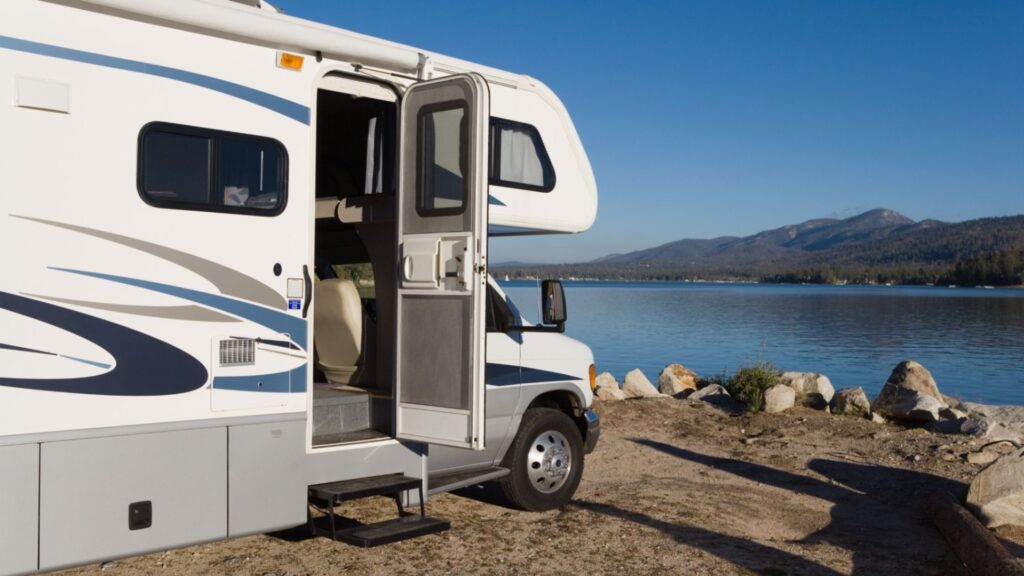
An RV, or Recreational Vehicle, is a motorized or towable vehicle designed for travel and temporary living. Think of it as a home on wheels, complete with sleeping quarters, a small kitchen, bathroom facilities, and storage space. RVs come in various types, from compact camper vans to large, bus-like motorhomes.
Unlike mobile homes, RVs are built for mobility. They’re ideal for people who love to travel, explore national parks, or live a nomadic lifestyle. However, they’re generally not intended for permanent residence and may face restrictions when it comes to zoning or long-term parking.
Whether you’re chasing adventure on the open road or looking for a weekend getaway setup, RVs offer flexibility, but often at the cost of space, comfort, and long-term livability.
Also Read: How Can You Find Your Dream Home With the Best Mobile Home Buyer in Cypress?
What are the Pros of an RV?
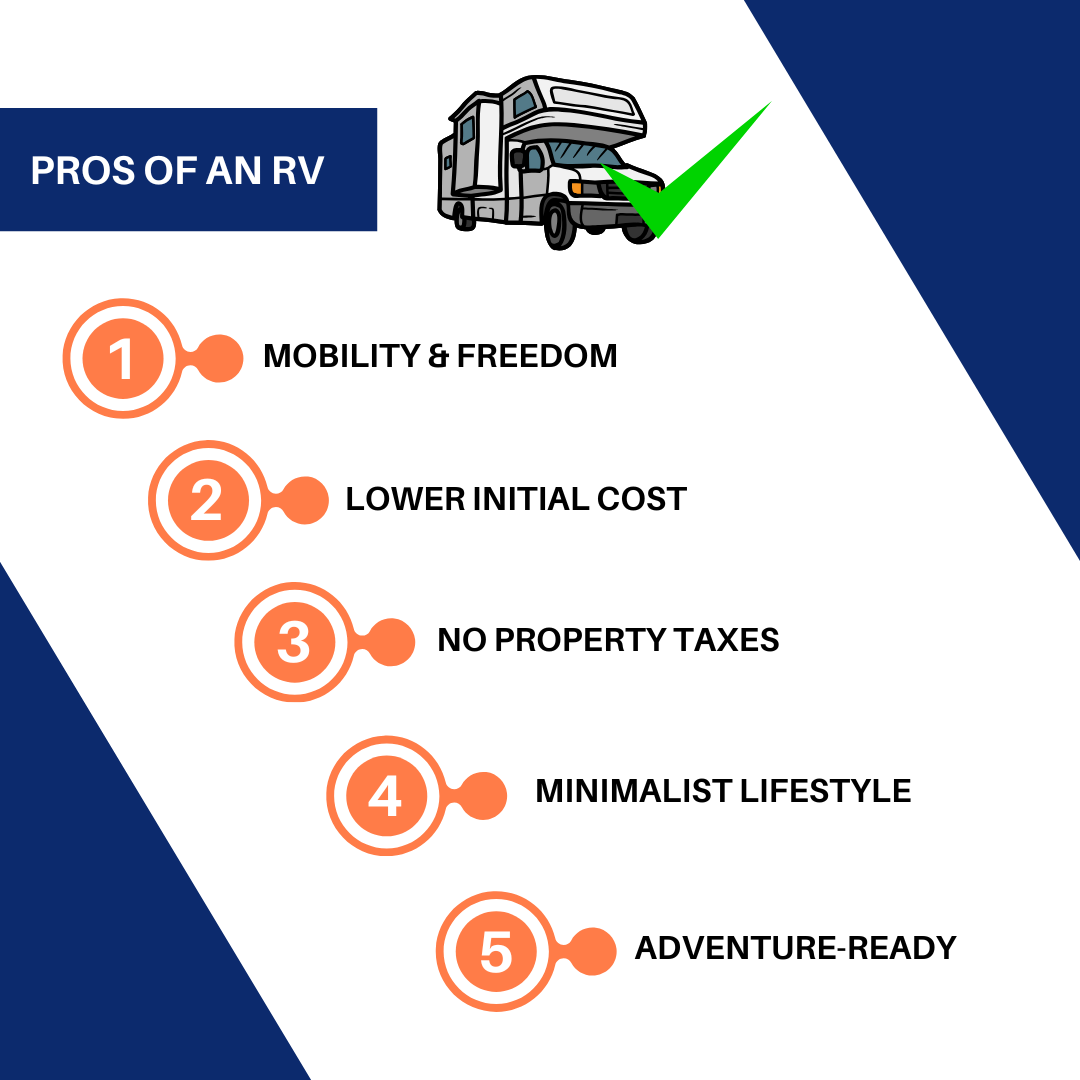
RVs offer freedom, flexibility, and affordability for those who love life on the move. Here are its major advantages:
- Mobility & Freedom: Travel wherever and whenever you want. It is perfect for road trips, exploring national parks, or living a nomadic lifestyle.
- Lower Initial Cost (Usually): Many RVs cost less than traditional homes or even mobile homes, making them more accessible up front.
- No Property Taxes: RVs are classified as vehicles and owners often avoid paying property taxes that come with owning a mobile home.
- Minimalist Lifestyle: Encourages simplified living with less clutter and fewer expenses.
- Adventure-Ready: Great for people who love outdoor activities, camping, or a constantly changing view.
What are the Cons of an RV?
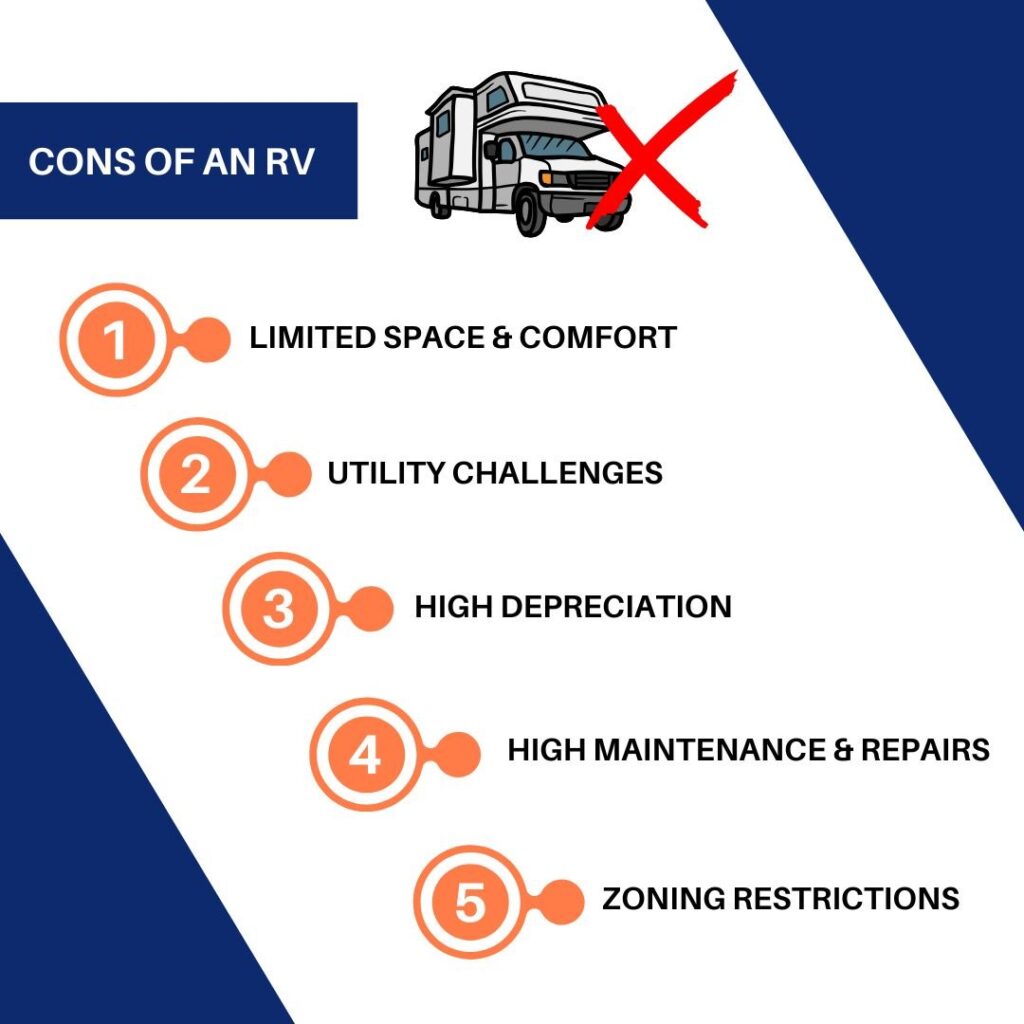
While RV life sounds adventurous, it comes with practical challenges that can make long-term living difficult for some people. Here they are:
- Limited Space & Comfort: Smaller interiors can feel cramped, especially for families or long-term living.
- Utility Challenges: Requires regular setup of water, electricity, and sewage hookups, especially if you’re constantly on the move.
- Depreciation: Like most vehicles, RVs lose value quickly over time.
- Maintenance & Repairs: Both the vehicle and the living space require upkeep, which can be costly and inconvenient.
- Zoning Restrictions: Many cities and neighborhoods have laws against long-term RV parking or full-time living in an RV.
What is a Mobile Home?
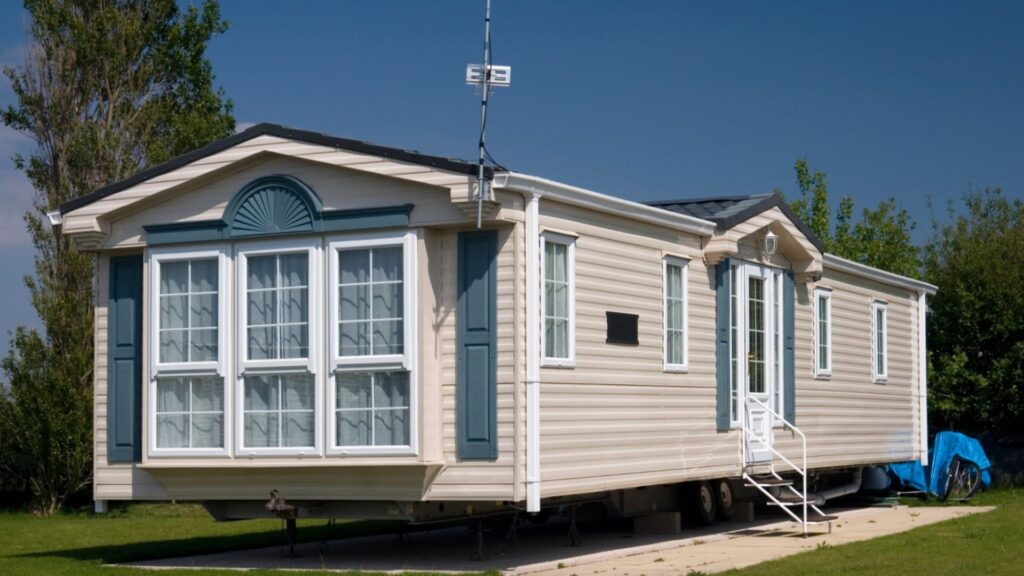
A mobile home, also known as a manufactured home, is a prefabricated structure built in a factory and transported to a designated location for permanent or semi-permanent residence. Unlike RVs, mobile homes are designed for long-term living and are typically placed in mobile home parks or on private land with utility hookups.
They come in various sizes, single-wide, double-wide, and triple-wide, and often include full-sized kitchens, bathrooms, bedrooms, and living spaces. Many modern mobile homes offer the look and feel of traditional houses, with the added benefit of being more affordable.
Mobile homes are subject to housing regulations rather than vehicle laws and are usually registered as real property once permanently installed. This means you need to pay property taxes for your mobile homes. They’re a popular option for individuals and families seeking a cost-effective, stable living solution without giving up the comfort of a home.
What are the Pros of a Mobile Home?
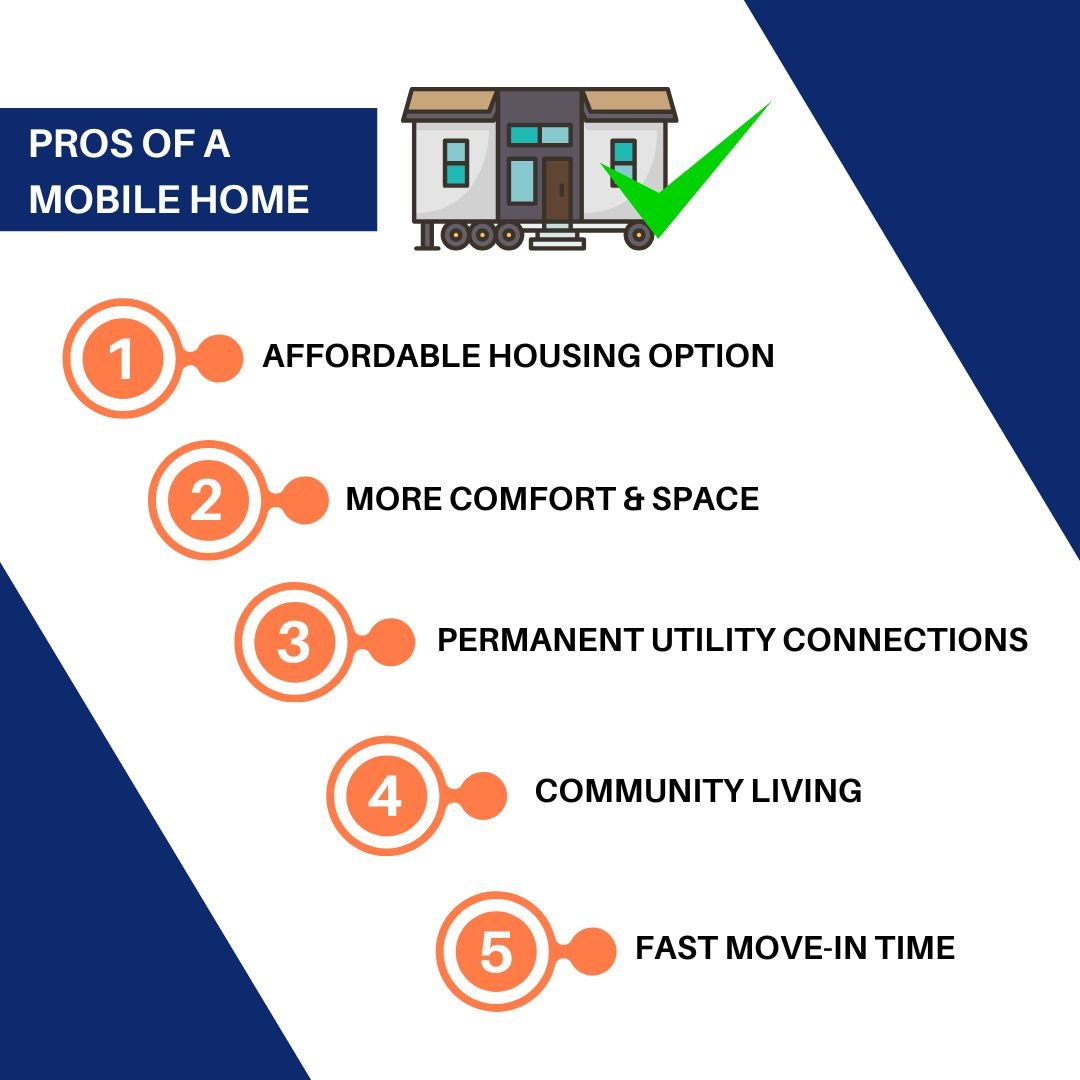
Mobile homes provide a more affordable path to stable housing with the comforts of a traditional home. Here are its major advantages:
- Affordable Housing Option: Typically, more budget-friendly than traditional site-built homes.
- Comfort & Space: Offers more square footage and full-sized amenities compared to RVs.
- Permanent Utility Connections: Easy access to reliable electricity, water, and sewage systems.
- Community Living: Many mobile home parks offer amenities, security, and a sense of community.
- Faster Move-In Time: Being prefabricated, mobile homes can often be set up and ready to live in quickly.
What are the Cons of a Mobile Home?
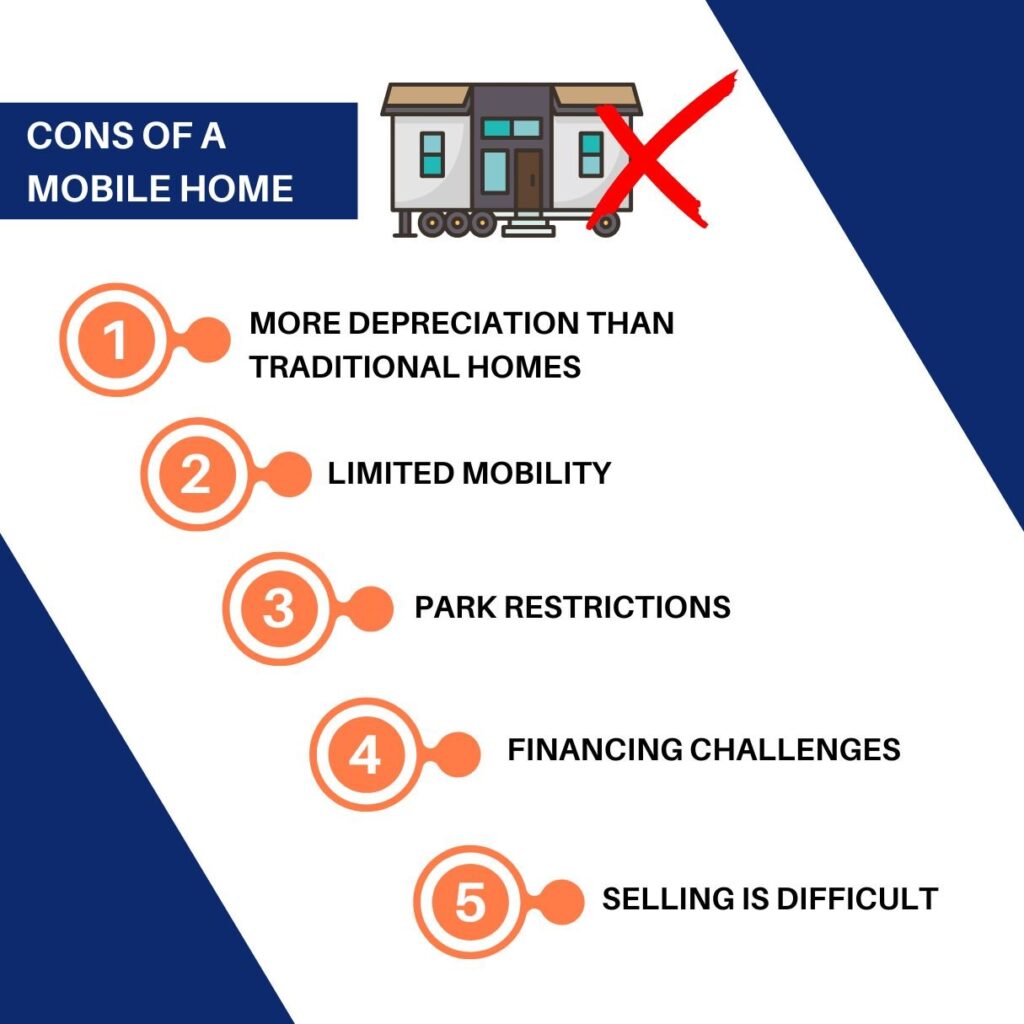
Despite their benefits, mobile homes come with certain drawbacks, making them unsuitable for some lifestyles. Here they are:
- Depreciation: Mobile homes generally lose value over time, especially if the land isn’t owned.
- Limited Mobility: Once placed, moving a mobile home is expensive and complicated.
- Park Restrictions: Living in a park means following specific rules and paying monthly lot rent or fees.
- Financing Challenges: Loans can be harder to secure and may come with higher interest rates.
- Selling: It is difficult to sell a mobile home fast, owing to the paperwork involved, unless you sell to mobile home experts like California Mobile Home Buyers.
What are the Key Differences Between RVs and Mobile Homes?
Here is a summary of key differences between RVs and mobile homes:
| Feature | Mobile Home | RV (Recreational Vehicle) |
|---|---|---|
| Mobility | Stationary once installed | Built for travel and mobility |
| Purpose | Long-term residential living | Temporary stays, road trips, or mobile lifestyle |
| Size & Layout | Larger, more spacious with full-sized rooms | Compact with space-saving layouts |
| Utility Hookups | Permanent connections (water, power, sewage) | Temporary or portable utility hookups |
| Zoning & Regulations | Governed by housing codes and park rules | Governed by vehicle and DMV regulations |
| Build Structure | Factory-built to HUD code | Built to RVIA or vehicle safety standards |
| Financing Options | Mortgage-style or chattel loans | Typically financed like a vehicle |
| Insurance | Homeowner-style insurance | Auto or RV insurance |
| Resale Value | Slower depreciation, some appreciation possible. | Faster depreciation over time |
| Living Experience | Feels like a traditional home | More compact, best for short-term or travel use |
When to Choose an RV?
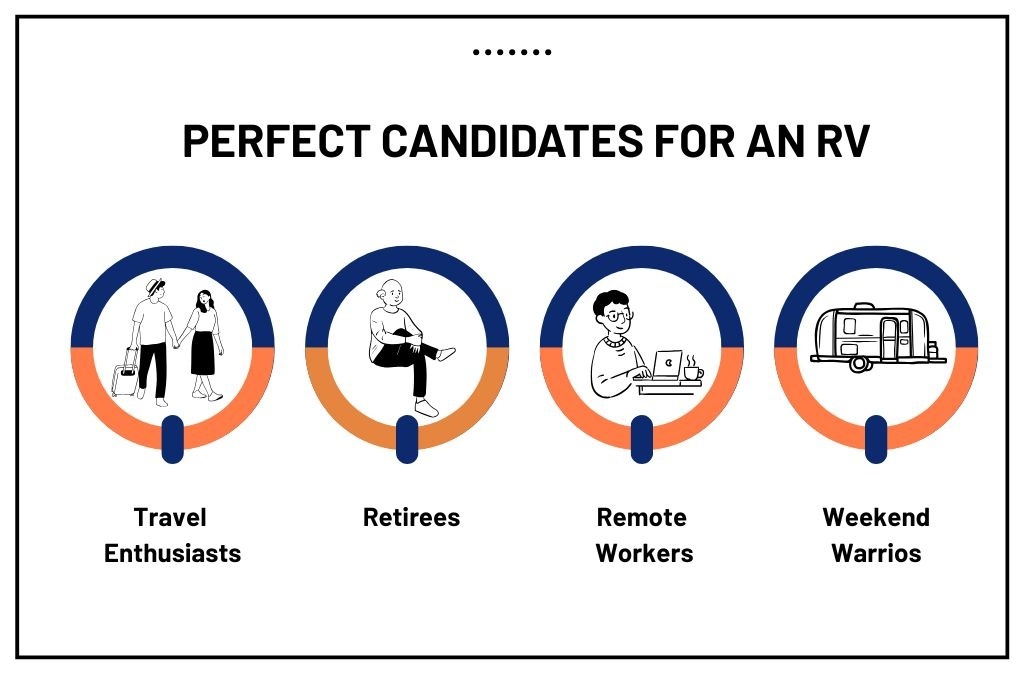
An RV is the right choice when mobility and freedom are your top priorities. If you crave adventure, enjoy spontaneous travel, or want to explore different parts of the country without being tied down, an RV gives you the flexibility to live life on the road. It’s perfect for:
- Travel Enthusiasts: Those who love exploring new places regularly.
- Remote Workers: Digital nomads who can work from anywhere with a Wi-Fi connection.
- Retirees: Individuals looking to downsize and enjoy travel during their golden years.
- Weekend Warriors: Families or couples who enjoy camping, road trips, and short getaways.
However, RV living typically suits those who are comfortable with a minimalist lifestyle, can handle frequent utility setups, and don’t mind trading space for flexibility. If you’re not ready to settle in one place and your idea of home includes wheels and open highways, an RV may be your best fit.
When to Choose a Mobile Home?
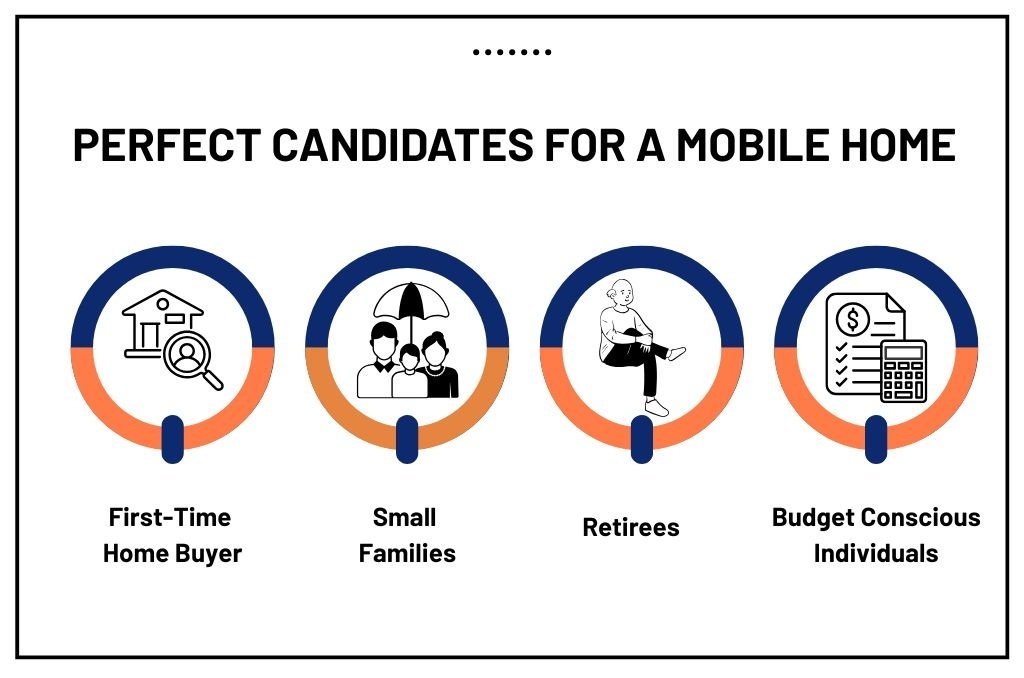
A mobile home is the right choice when you’re looking for affordable, stable housing without the long-term financial burden of traditional real estate. If you value having a fixed address, more living space, and access to community amenities, a mobile home offers the comfort of a house at a much lower cost. It’s ideal for:
- First-Time Homebuyers: Those looking to own property without a massive mortgage.
- Small Families: People who need more space and a permanent setup for 1-2 children or dependents.
- Retirees: Seniors who want to downsize but still enjoy the privacy and stability of a single-level home.
- Budget-Conscious Individuals: Anyone seeking long-term housing that’s cost-effective and easy to maintain. The resale worth of a mobile home is also high, as ultimately it is a piece of real estate and not a vehicle.
Mobile homes are best suited for people who prefer staying in one location, want consistent access to utilities, and are looking for a traditional home experience without traditional home prices.
RV vs Mobile Home: Which is Easier to Sell?
When it comes to resale, RVs are generally easier to sell than mobile homes. Since RVs are classified as vehicles, they can be sold much like a car, through a private sale, dealership, or even online platforms, with minimal paperwork and no need for land or park approval. On the other hand, selling a mobile home can be difficult. Selling an old mobile home can be even more challenging.
Depending on whether it’s located in a mobile home park or on private land, sellers may face additional hurdles such as title transfers, park management approval, disclosures, repair requirements, and buyer financing delays. The process often involves navigating strict regulations and dealing with a much smaller pool of qualified buyers.
Sell Your Mobile Home Hassle-Free to California Mobile Home Buyer
Thinking about selling your mobile home? At California Mobile Home Buyer, we make the process fast, fair, and stress-free. As a family-run business, we understand how overwhelming it can be to deal with repairs, showings, and delays, so we take a different approach. We buy mobile homes in any condition, with no agent fees, no hidden costs, and no lengthy wait times. Just tell us about your home, and we’ll provide a no-obligation cash offer, often within 24 hours. You choose the closing date, and we’ll handle the rest. Whether you’re relocating, downsizing, or just ready for a change, we’re here to help you move forward with confidence. Grab a cash offer now.
Conclusion
Both RVs and mobile homes offer unique advantages, depending on your lifestyle, budget, and long-term goals. RVs provide unmatched mobility and are easier to sell due to their classification as vehicles, making them ideal for travel lovers and those seeking flexibility. Mobile homes, on the other hand, offer more space, stability, and comfort for long-term living, but come with a more complex selling process. Ultimately, the right choice comes down to how you want to live and how often you want to move. Whether you’re settling down or gearing up for life on the road, understanding the key differences will help you make the decision that fits you best.
Frequently Asked Questions
Can you live in an RV year-round in the US?
Yes, it is possible to live in an RV all year. Many Americans now choose to do this. They park the RV in an RV park which is basically a community of travelers in an RV. It is a perfect setup for socializing with similar-minded people.
Are mobile homes cheaper than RVs in the long run?
Mobile homes save you money in the long run because they use less energy and are easy to take care of. RVs cost less at first. But you will spend more time and money on things like appliances, tires, and engines. When you think about long-term financing, RVs can end up costing more than mobile homes.
Which is easier to finance, an RV or a mobile home?
Mobile homes are easier to get financing for, as they meet HUD code rules like traditional homes. Recreational vehicles do not fall into the same category, so getting financing for them can be harder. It is important to have accurate appraisals for both mobile homes and recreational vehicles.
What’s the difference between a mobile home vs trailer vs RV?
A mobile home is a factory-built house meant for permanent living. An RV (Recreational Vehicle) is designed for temporary stays and travel, often used for camping or road trips. The term “trailer” is flexible: it can refer to a mobile home or a towable RV.
Which is better for full-time living: tiny house vs RV vs mobile home?
For full-time living, mobile homes offer the most space and comfort. Tiny houses or tiny homes suit minimalists, and RVs are best for travel, not permanent residence.
What are the main differences in maintenance costs for an RV vs mobile home?
RVs need the owner to keep up with vehicle maintenance related to things like the brakes, tires, engines, etc. On the other hand, manufactured homes have people look after things that stay in one place, like the plumbing, appliances and the yard. Because of their mobility, RVs will often need to get checked by a professional more often than a manufactured home.