

Key Highlights
- A park model home is a unique type of recreational vehicle (RV) designed for long-term placement.
- Unlike a modular home, a park model is built on a chassis and is not intended as a permanent residence.
- This tiny home must be under 400 square feet to qualify as an RV in most states.
- They are a popular choice for vacation cottages or seasonal stays in RV parks.
- The purchase price is often lower than traditional housing, making it an affordable option.
Tired of sky-high home prices and craving more freedom?
Park model homes are emerging as one of the fastest-growing housing trends in 2025, blending affordability with the charm of cabin-style living. These compact dwellings, under 400 square feet, are redefining what it means to live simply, comfortably, and debt-free.
Let’s explore why so many people are turning to park model homes as their perfect vacation escape or downsized lifestyle choice.
What Is A Park Model Home?
A park model home, also known as a park model RV (PMRV), is technically classified as a recreational vehicle.
However, it looks and feels more like a small cabin or cottage. Such as one of the many RV parks or home communities, and left there for an extended period. This is because of its compact size and classification; it’s ideal for seasonal use as a vacation home, but it is generally not intended to be a primary residence.
A new, high-quality park model home can range from $40,000 to over $100,000, with luxury models costing even more.
Several factors influence the price of a park model home, including its size, features, finishes, and the manufacturer. Delivery costs can also be a significant factor.
These seasonal vacation homes are connected to site utilities like water, sewer, and electricity, offering all the conveniences you need for your chosen vacation location.
What Is The Difference Between A Modular Home And A Park Model?
So, is a park model considered a mobile home? It’s easy to confuse a park model home with a modular or manufactured home, but there are important distinctions.
The major difference lies in their construction and legal classification. A modular home is a prefabricated home built in a factory in sections. These are then transported and assembled on a permanent foundation at the property. These homes are built to local and state building codes, similar to traditional homes, and are intended as permanent residences.
In contrast, a park model home is built on a single chassis with wheels and is classified as a recreational vehicle. It adheres to RV standards set by the American National Standards Institute (ANSI A119.5), not the U.S. Department of Housing and Urban Development (HUD) code that governs manufactured homes.
Are Park Model Homes a Good Investment?
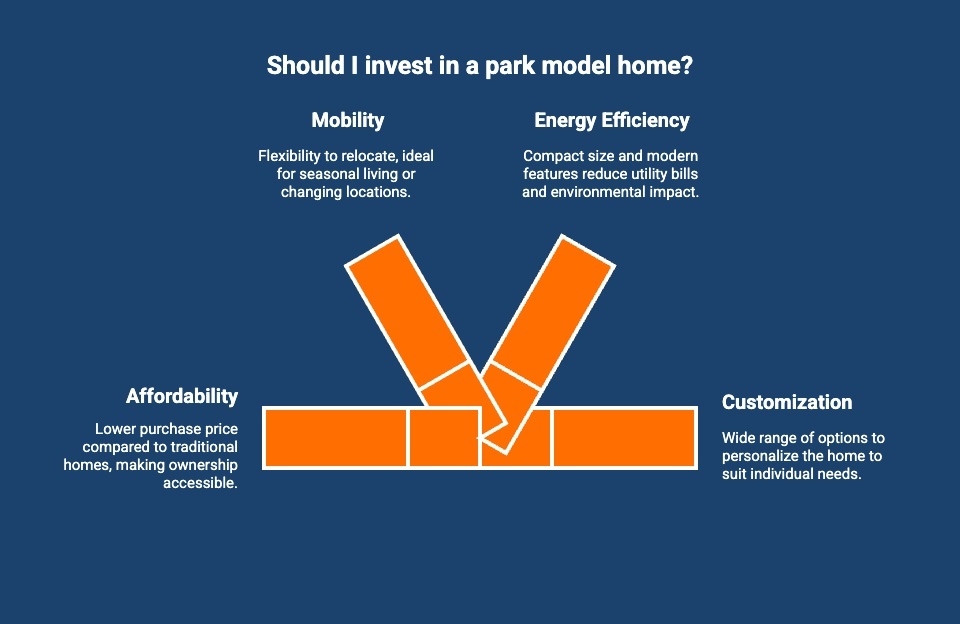
For those with big dreams of a personal vacation spot or a simpler, downsized lifestyle, this affordable housing option presents many compelling advantages. It offers a unique blend of comfort, convenience, and cost-effectiveness that is hard to find elsewhere.
Let’s look at some of the key pros that make park models such an attractive choice.
1. Affordability
One of the biggest draws of a park model home is its affordability. The purchase price is significantly lower than that of traditional homes and even many modular homes, making it an accessible, affordable housing option for a vacation property or guesthouse.
While you might find used models for as low as $30,000, a new, quality-built park model home price range is typically between $40,000 and $100,000. Knowing how much a park model home costs depends on several factors:
- Size and layout
- Level of customization and finishes
- Manufacturer reputation
With the growing popularity of tiny living, new park models also tend to hold their resale value well, protecting your investment for years to come.
2. Mobility and Flexibility
The inherent mobility of a park model home offers incredible flexibility. Since each one is constructed on a trailer chassis, it can be moved from one place to another, although it’s not designed for frequent travel like a traditional RV.
This feature is perfect for seasonal living. Imagine spending your summers by a lake and your winters in a warmer climate. A park model makes this lifestyle possible. You have the freedom to choose your ideal vacation location, whether it’s in one of the many dedicated RV parks or on private lots where zoning allows. This flexibility allows you to:
- Relocate your vacation home if you discover a new favorite spot.
- Move the unit for storage or to a new family member’s property.
- Enjoy different environments without buying multiple properties.
This blend of stability and mobility is a unique advantage that caters to a dynamic lifestyle.
3. Energy Efficiency
Because of their compact design, park model homes are naturally energy-efficient, but the benefits go far beyond lower bills. With less space to heat or cool, your home reaches the perfect temperature faster and stays comfortable year-round, even in changing weather. That means fewer chilly mornings, no drafty rooms, and a cozier living space with minimal effort.
Modern park models are built with features designed to maximize comfort while minimizing waste. You’ll find:
- High-quality wall and roof insulation that keeps indoor temperatures stable and reduces outside noise.
- Energy Star-rated appliances that cut down on power use without sacrificing performance.
- Double-pane windows that block heat in the summer and retain warmth in the winter.
The result? A space that feels calm, quiet, and consistently comfortable, while also helping you live more sustainably. Whether you’re tucked into a snowy mountain park or relaxing by the coast, energy efficiency ensures your park model always feels like home.
4. Customization Options
Don’t let the small footprint fool you; park model homes come with countless options for customization. Park model home manufacturers offer a wide variety of floor plans and styles to suit your personal taste and needs, from rustic park model cabins to sleek, modern designs.
You can truly make the space your own. Whether you need an extra bedroom for guests, dream of a spacious front porch for relaxing, or want high-end finishes in your kitchen, there’s a design for you. Popular customization choices include:
- Adding a loft for extra sleeping or storage space.
- Choosing the number of bedrooms and their layout.
- Selecting exterior siding, interior finishes, and appliance packages.
This ability to personalize your home ensures that your small space is perfectly tailored to your lifestyle.
What Are The Cons Of Living in a Park Model Home?
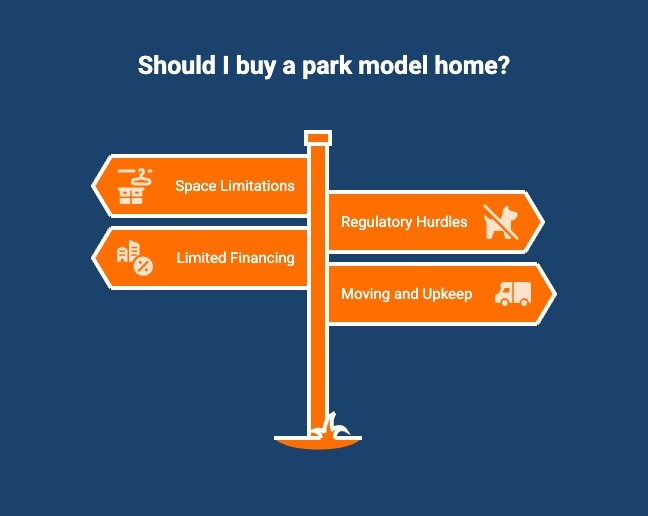
While park model homes offer many benefits, it’s also important to consider the potential drawbacks. Before you commit, it’s wise to understand the potential hurdles you might face.
1. Space Limitations
The most obvious challenge of a park model is its space limitations. With a living area legally capped at under 400 square feet, every inch counts. This compact environment requires a minimalist approach to living and can feel restrictive if you’re used to a larger home.
The limited square footage directly impacts storage and the number of bedrooms you can have. While many designs cleverly maximize the available area, you’ll need to be strategic with your belongings. However, there are ways to create extra space:
- Opt for a model with a loft for an additional sleeping area or storage.
- Add a deck or porch after placement to expand your living area outdoors.
- Use multi-functional furniture to make the most of your tiny home.
Careful planning can help you overcome these limitations and create a comfortable, functional home.
2. Regulatory Hurdles
Navigating the rules surrounding park model homes can be one of the biggest regulatory hurdles. Because they are classified as recreational vehicles and not built to the HUD code for manufactured homes, they exist in a legal gray area in many places. Local regulations and local laws can vary dramatically from one township to another.
Before purchasing, it is important to know how big park model homes are. For this, do some research on your area’s different zoning laws. Some communities have specific rules about where a park model can be placed and for how long. Key regulatory points to verify include:
- Whether your local zoning office approves RVIA Certified Park Model Homes for your intended location.
- Requirements for anchoring the home with tie-downs or RV jacks.
- Restrictions on using the unit as a full-time residence.
According to the Recreation Vehicle Industry Association (RVIA), these units are certified to ANSI A119.5 standards, which distinguishes them from homes built to HUD code. [1]
3. Limited Financing Options
Securing a loan for a park model home can be challenging. Because they have a VIN number and are classified as RVs, they don’t qualify for conventional mortgages. This leaves buyers with limited financing options that often come with less favorable terms.
You’ll likely need to apply for an RV loan, a personal loan, or a chattel mortgage. These types of loans typically have higher interest rates and shorter repayment periods compared to traditional home loans. Common financing routes include:
- An RV loan through a bank or credit union.
- A chattel mortgage, where the park model itself serves as collateral.
- A personal loan, which may have stricter credit requirements.
The higher cost of financing can impact the overall price of a park model, so it’s essential to factor this into your budget.
4. Expenses of Moving and Upkeep
The expenses of a park model home extend beyond the initial purchase. While they are movable, the process of moving is not simple or cheap. It requires hiring a professional transport company, obtaining permits, and possibly paying for oversized load escorts.
Ongoing upkeep and maintenance are also part of the total cost of ownership. You’ll need to budget for recurring expenses to keep your home in good condition. These costs can include:
- Site preparation, such as installing a gravel or concrete pad.
- Lot rent in an RV park or community.
- Property taxes, depending on your location and whether the home is considered real or personal property.
Don’t forget to account for monthly utility bills and routine maintenance, which are necessary to protect your investment.
Struggling to Sell Your Mobile or Park Model Home? Here’s the Fast, Stress-Free Way Out
For many park model and mobile homeowners, selling can feel overwhelming, with endless repairs, uncertain buyers, and months of waiting for offers that never quite land. The process that should bring freedom often turns into frustration.
That’s where Cali Mobile Home Buyer steps in.
As California’s trusted mobile home cash buyer, they specialize in fast, fair, and transparent sales, helping owners offload their properties in days, not months. Whether your unit needs work, has park restrictions, or you just want a clean exit, their process cuts through the noise.
Why Sellers Trust Cali Mobile Home Buyer:
- No repairs. No showings. No surprises. They buy as-is, so you never have to spend another dollar on fixes or staging.
- Cash offers within 24 hours. Skip the waiting, get a real, fair offer almost immediately.
- Close in as little as 5–7 days. Move on your terms, without agent fees or hidden costs.
- Licensed and local. They operate throughout California, bringing local expertise and real accountability.
If your park model or mobile home no longer fits your lifestyle, whether you’re upgrading, downsizing, or relocating, Cali Mobile Home Buyer helps you turn that property into peace of mind.
Get your free cash offer and start your next chapter without the stress.
Conclusion
A park model home can be the perfect solution for anyone seeking a seasonal retreat, a vacation rental investment, or a simpler way to enjoy life.
As Henry David Thoreau wrote, it’s about fronting “only the essential facts of life.” These homes offer affordability, flexibility, and comfort in a compact package.
By weighing the pros and cons, you can decide if this unique housing option aligns with your dream of a cozy, low-maintenance getaway.
Frequently Asked Questions
What factors influence the price of a park model home?
Several factors affect how much a park model home costs, including its size, layout, finishes, and manufacturer. Delivery, setup, and site utilities also influence price. Generally, new park models range from $40,000–$100,000 depending on customization and location.
Is a Park Model RV the wrong choice?
Not at all, but it depends on your lifestyle. If you want mobility, affordability, and seasonal use, it’s ideal. However, because a park model is considered a mobile home, it’s not meant for full-time permanent living.
Is it better to live in a mobile home park or a trailer park?
It depends on amenities and zoning. Are park models considered mobile homes? Yes, often. A mobile home park typically offers better infrastructure and community facilities, while trailer parks may have fewer utilities but more flexibility for placement.
Do Park Model RVs last longer than other types of RVs?
Yes. Park model RVs are built with durable materials similar to small cabins, so they generally last longer than traditional travel trailers when properly maintained. Their solid construction offers more comfort and longevity, especially for seasonal or semi-permanent stays.
Do park model homes offer good value for the money?
Absolutely. Can you live in a park model home year round? Yes, they’re affordable, energy-efficient, and hold resale value well in the growing tiny-home market. For vacation or rental use, they deliver strong returns compared to larger, costlier housing options.
Can you give examples of low, average, and high-end park model home prices?
Entry-level units start near $40,000, mid-range models cost around $70,000, and luxury designs can exceed $100,000. These prices vary by how big park model homes are, materials used, and the manufacturer’s customization and delivery fees.
Are there additional costs after buying a park model home?
Yes. Expect costs for setup, utilities, site rent, and maintenance. Are park model homes taxable? In many areas, yes, depending on local property classifications and whether they’re treated as personal or real property once installed.
How does the cost of owning a park model home compare to renting one?
Owning usually saves money long-term, especially for frequent seasonal use. Renting may be cheaper short-term but offers no equity. Park model home financing options can make ownership more affordable, especially compared to vacation rentals or conventional homes.
Does location affect the price of park model homes?
Definitely. Land value, park fees, and transport distance all impact how much a park model home costs. Popular resort or coastal areas typically raise prices, while rural or inland locations offer better affordability and lower setup expenses.
What are some common financing options for park model homes?
Since a park model is considered a mobile home, traditional mortgages don’t apply. Common park model home financing includes RV loans, personal loans, or chattel mortgages. Each option varies by lender terms, credit score, and loan duration.